

Headaches are one of the most common health complaints in the world. Almost everyone experiences them at some point, whether it’s a dull pressure after a long day of work or a throbbing pain that makes it difficult to concentrate. For many people, learning how to get rid of a headache quickly becomes an urgent priority.
The good news is that most headaches can be relieved with simple, practical solutions. Understanding what causes your headache and knowing the right headache remedies can help you reduce pain quickly and prevent it from returning.
In this guide, you will learn how to get rid of a headache fast, explore natural fast headache relief strategies, and discover when it might be time to seek professional medical care.
What Causes a Headache?
Before learning how to stop a headache, it helps to understand why headaches happen. Different types of headaches have different triggers, and identifying the cause often leads to more effective headache treatment.
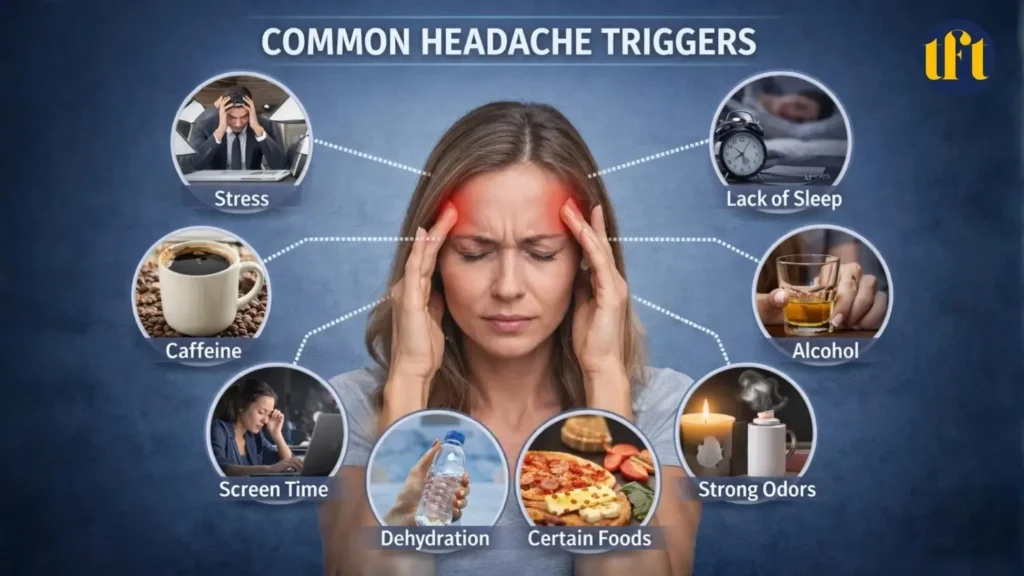
One of the most common causes is dehydration. When your body lacks enough fluids, the brain can temporarily contract due to fluid loss, creating a dehydration headache that often feels like pressure in the head or pain behind the eyes.
Stress is another frequent trigger. Tension in the neck, scalp, and shoulder muscles can lead to a tension headache, which usually feels like a tight band around the forehead or temples.
Other common headache causes include:
- Lack of sleep or poor sleep hygiene
- Skipping meals or low blood sugar
- Excessive screen time
- Sinus congestion or sinus pressure headache
- Caffeine withdrawal
- Hormonal changes
- Dehydration after exercise
There are also different types of headaches, including tension headaches, migraine headaches, sinus headaches, and cluster headaches. Each type may require slightly different strategies for headache pain relief.
Understanding these triggers is the first step toward finding the best way to get rid of a headache and preventing future episodes.
How to Get Rid of a Headache Fast
If you’re dealing with head pain right now, the goal is immediate headache relief. The following techniques are among the most effective and widely recommended by medical professionals.
Stay Hydrated
One of the fastest ways to relieve a headache is to drink water. Hydration plays a critical role in brain function, and even mild dehydration can trigger headache symptoms.
If you suspect a dehydration headache, drink a full glass of water and continue sipping fluids throughout the next hour. Many people notice relief within 30 minutes once hydration levels begin to normalize.
Electrolyte drinks can also help if your headache is related to intense exercise or sweating.

Use a Cold Compress
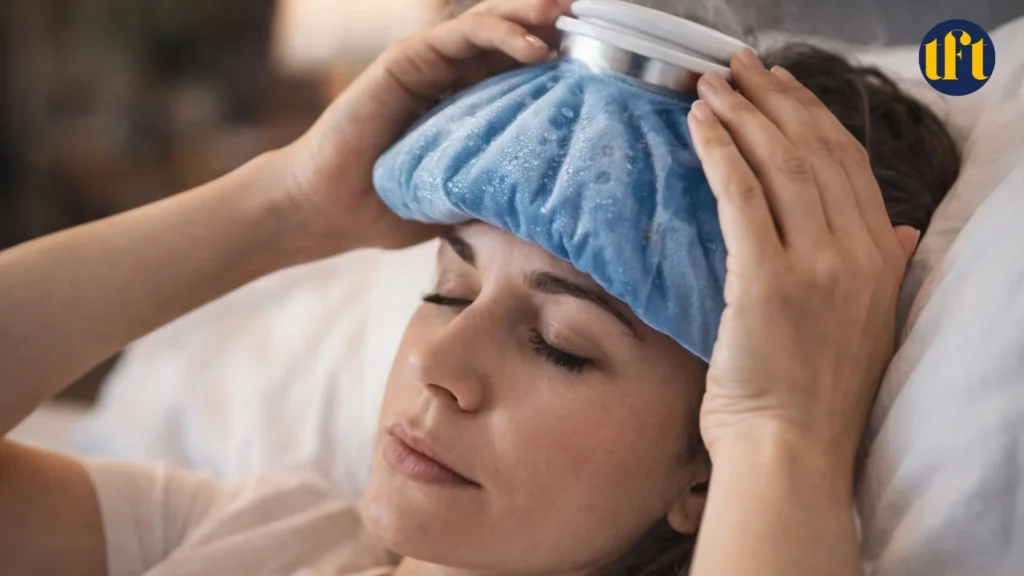
Cold therapy can reduce inflammation and numb pain signals. Applying a cold compress for headache relief is especially effective for migraine headaches and sinus headaches.
Place an ice pack or cold compress on your forehead or the back of your neck for about 10 to 15 minutes. This helps constrict blood vessels and reduces throbbing sensations.
If you don’t have an ice pack, wrap ice cubes in a towel or use a chilled washcloth.
Eat if You’ve Skipped Meals
A headache from not eating is often related to low blood sugar. Skipping meals can lead to dizziness, fatigue, and throbbing head pain.
Eating a balanced snack that includes protein and carbohydrates can restore blood sugar levels and reduce headache symptoms.
Good options include:
- A banana with peanut butter
- Greek yogurt with fruit
- Whole grain toast with eggs
Maintaining regular meals is also an important step in headache prevention tips.
Rest and Practice Good Sleep Hygiene
Lack of sleep is a major trigger for headaches. If your headache is related to fatigue, resting in a dark, quiet room can help calm the nervous system and reduce pain.
Sleep hygiene also plays a role in preventing headaches. Try to:
- Go to bed at the same time each night
- Avoid screens before sleep
- Keep your bedroom cool and dark
Quality sleep supports healthy brain function and reduces tension headache symptoms.
Try Over-the-Counter Medications
Sometimes the fastest headache relief comes from over-the-counter pain relievers.
Common options include:
| Medication | How It Helps | Common Uses |
| Ibuprofen | Reduces inflammation | Tension headaches, migraines |
| Acetaminophen | Blocks pain signals | Mild to moderate headaches |
| Aspirin | Reduces inflammation and pain | Migraine headaches |
| Caffeine combinations | Enhances pain relievers | Migraine relief |
Always follow dosage instructions and avoid frequent overuse. Taking headache medicine too often can lead to medication overuse headaches.
Reduce Stress and Practice Relaxation Techniques
Stress is one of the most common headache triggers. Chronic muscle tension in the neck and shoulders can lead to persistent headaches.
Practicing relaxation techniques for headache relief can help reduce tension and improve blood flow.
Helpful methods include:
- Deep breathing exercises
- Meditation
- Progressive muscle relaxation
- Gentle stretching
These strategies also support long-term stress management for headaches.
Move More and Do Light Physical Activity
It may seem counterintuitive, but light movement can sometimes relieve a headache.
A short walk increases blood circulation and helps release natural endorphins that reduce pain.
However, if your headache worsens during activity, it may be related to exercise-induced headaches or migraines. In that case, rest and hydration may be better solutions.
Natural Remedies for Headache Relief
Many people prefer natural headache relief methods that avoid medication. While results can vary, several natural remedies have shown promising results.

Adopt a Low-Inflammation Diet
Certain foods may contribute to inflammation and trigger headaches.
A low-inflammation diet focuses on whole foods that support brain and body health, including:
- Leafy greens
- Berries
- Fatty fish
- Nuts and seeds
- Whole grains
At the same time, it helps to limit processed foods, excessive sugar, and artificial additives.
Diet and headaches are closely linked, and adjusting nutrition may significantly reduce recurring headaches.
Keep a Headache Diary
Tracking your headaches can reveal hidden patterns and triggers.
A headache diary should include:
- Date and time of headache
- Duration of symptoms
- Possible triggers
- Foods eaten
- Sleep patterns
Over time, this information helps identify migraine triggers, dehydration patterns, or stress-related headaches.
Alternative Medicine
Some individuals find relief through complementary therapies.
Common options include:
- Acupuncture
- Massage therapy
- Chiropractic care
- Magnesium supplements
- Essential oils for headache relief
Peppermint oil for headache treatment is particularly popular. Applying diluted peppermint oil to the temples may help reduce muscle tension.
Always consult a healthcare provider before starting supplements such as magnesium for headaches.
Other Activities That May Help
Additional natural strategies include:
- Gentle neck stretches
- Aromatherapy
- Drinking herbal tea
- Taking short breaks from screens
Reducing screen time can be especially helpful for people experiencing screen time headaches or eye strain.
Lifestyle Changes to Help Prevent Future Headaches
Learning how to prevent headaches is just as important as learning how to treat them.
Maintain a Consistent Sleep Routine
Sleep and headaches are closely connected. Poor sleep can trigger migraines and tension headaches.
Try to maintain consistent sleep schedules, even on weekends.
Adults typically need 7 to 9 hours of sleep for optimal brain health.
Don’t Skip Meals
Skipping meals can cause fluctuations in blood sugar levels that lead to headaches.
Eating balanced meals throughout the day helps stabilize energy levels and prevents headache from not eating.
Focus on meals that contain:
- Protein
- Healthy fats
- Complex carbohydrates
Stay Consistently Hydrated
Hydration is one of the simplest ways to prevent headaches.
Adults should generally aim for about 8 cups of water per day, though needs vary depending on activity level and climate.
Keeping a water bottle nearby throughout the day can significantly reduce the risk of dehydration headaches.
Manage Stress
Chronic stress can trigger both tension headaches and migraine headaches.
Healthy stress reduction strategies include:
- Regular exercise
- Mindfulness meditation
- Yoga
- Time outdoors
Managing stress improves overall health and supports long-term headache prevention.
Support a Healthy Weight
Research suggests that obesity may increase the frequency of migraine headaches.
Maintaining a healthy weight through a balanced diet and regular exercise may reduce frequent headaches and improve overall well-being.
Headache Relief Do’s and Don’ts
Understanding what to do and what to avoid can make a big difference when trying to relieve headache pain.
Do
- Drink water regularly
- Rest in a quiet environment
- Maintain consistent sleep schedules
- Identify personal headache triggers
- Use over-the-counter pain relievers responsibly
- Practice stress reduction techniques
Don’t
- Skip meals
- Ignore persistent or severe headaches
- Overuse of pain medications
- Spend excessive time staring at screens
- Ignore hydration needs
- Consume large amounts of caffeine suddenly
Avoiding these common mistakes helps reduce recurring headaches and improves long-term headache management.
Diagnosis and Treatment for Ongoing or Frequent Headaches
While most headaches are harmless, chronic headaches may require medical evaluation.
How Headache Symptoms Are Evaluated
Doctors often begin by asking detailed questions about:
- Pain location
- Pain intensity
- Frequency of headaches
- Associated symptoms such as nausea or light sensitivity
This information helps identify whether you are experiencing a tension headache, migraine, sinus headache, or cluster headache.
Imaging Tests
In certain cases, doctors may recommend imaging tests such as:
- CT scans
- MRI scans
These tests help rule out more serious conditions such as tumors or structural abnormalities.
Medicines Taken During a Headache
Acute treatments aim to stop headache pain once it begins.
These may include:
- NSAIDs
- Triptans for migraines
- Combination pain medications
Doctors may recommend specific medications depending on the type of headache you experience.
Preventive Medicines
If headaches occur frequently, doctors may prescribe preventive headache medicine.
These medications are taken daily to reduce the number of headaches.
Examples include:
- Beta blockers
- Antidepressants
- Anti-seizure medications
- CGRP inhibitors
Preventive treatments can significantly reduce the frequency of chronic headaches.
Seeking Professional Help
If headaches disrupt your daily life, a neurologist or headache specialist can provide advanced treatment options.
These may include specialized medications, nerve blocks, or lifestyle modification programs.
Coping and Support
Living with frequent headaches can be challenging, especially when pain interferes with work or personal life.
Support strategies include:
- Joining headache support groups
- Practicing stress reduction techniques
- Working with healthcare professionals to develop a treatment plan
Mental health support is also valuable because chronic pain can contribute to anxiety or depression.
Developing coping strategies can help people regain control and improve their quality of life.
When to See a Doctor About Your Headache
While most headaches are harmless, certain symptoms require medical attention.
Seek medical care if you experience:
- Sudden severe headache
- Headache after a head injury
- Vision problems
- Confusion or difficulty speaking
- Persistent vomiting
- Headaches that worsen over time
These symptoms may indicate more serious medical conditions and should not be ignored.
Frequently Asked Questions
1. Why do I have a headache?
Headaches can occur for many reasons, including dehydration, stress, lack of sleep, skipping meals, sinus infections, or migraine triggers. Identifying your specific triggers is key to finding effective headache relief.
2. What helps a headache go away quickly?
Some of the fastest remedies include drinking water, resting in a dark room, applying a cold compress, and taking over-the-counter pain relievers if needed.
3. How long do headaches usually last?
Most tension headaches last between 30 minutes and several hours. Migraines may last from 4 to 72 hours if untreated.
4. Can dehydration cause headaches?
Yes. Dehydration is one of the most common causes of headaches. Drinking water often provides fast relief.
5. Should I worry about my headache?
Most headaches are harmless. However, if headaches are severe, sudden, or accompanied by neurological symptoms, it is important to seek medical attention.