
The race for cryptocurrency exchange traded funds has become one of the most closely watched stories in global finance. Every update from regulators can move billions of dollars across markets within hours. Investors, institutions, and analysts now track SEC crypto ETF news today with the same attention traditionally reserved for Federal Reserve announcements.
At the center of this momentum is the U.S. Securities and Exchange Commission (SEC), which oversees how digital asset investment products reach public markets. Decisions about approvals, delays, and regulatory reviews influence not only ETF issuers but also the broader cryptocurrency market.
Understanding these developments helps investors interpret market signals, evaluate risks, and identify potential opportunities. This article explores the latest SEC crypto ETF decisions, market trends, institutional demand, and investment outlook, offering a comprehensive analysis of how crypto ETFs are shaping the future of digital asset investing.
The SEC’s Current Position on Crypto ETF Approvals
The SEC plays a central role in determining how cryptocurrency investment products are introduced to U.S. markets. Its approach balances innovation with investor protection, which explains why crypto ETFs have historically faced strict scrutiny.
Recent developments show that regulators are becoming more open to digital asset exchange traded funds. However, the approval process remains cautious, particularly for newer or more complex crypto products.
Ongoing Reviews of Digital Asset ETF and ETP Proposals
The SEC ETF approval process involves evaluating proposals from asset managers seeking to list crypto-based funds. These products typically track the price of a cryptocurrency or provide exposure through futures contracts.
Many proposals currently under review fall under digital asset ETP review, which includes exchange traded products backed by cryptocurrencies such as Bitcoin, Ethereum, or Solana. The SEC evaluates several factors before approving these listings:
- Market transparency
- Liquidity of underlying assets
- Custody solutions
- Risk of manipulation
Asset managers including Bitwise Asset Management, BlackRock, and other crypto asset managers have submitted multiple proposals. These filings often involve spot Bitcoin ETFs, Ethereum ETFs, and newer blockchain investment funds.
Because of the growing interest from institutional investors, regulators are reviewing an increasing number of cryptocurrency ETP listings each year.
Why the SEC Has Delayed or Frozen Some Leveraged Crypto ETFs
While spot crypto ETFs have gained traction, leveraged crypto ETFs remain controversial. These funds use derivatives and leverage to amplify exposure to cryptocurrency price movements.
The SEC has delayed or paused several leveraged ETF proposals due to concerns about volatility and investor risk. Leveraged funds can magnify gains, but they can also increase losses dramatically during market swings.
Another factor is market maturity. Regulators want to ensure that the underlying cryptocurrency market has sufficient liquidity and transparency before approving complex financial products tied to digital assets.
For now, the SEC continues to evaluate whether leveraged crypto ETFs meet regulatory standards designed to protect retail investors.
Regulatory Concerns Driving SEC Decisions
Several regulatory concerns shape the SEC cryptocurrency ETF regulation framework. These include market manipulation risks, custody security, and transparency in trading platforms.
One major concern involves crypto ETF regulatory concerns related to market surveillance. The SEC wants assurance that exchanges listing ETFs have monitoring systems capable of detecting fraud or manipulation.
Another issue involves custody of digital assets. Many crypto ETFs rely on institutions such as Coinbase ETF custody services, which store digital assets securely for fund providers.
Overall, the SEC’s approach reflects a broader U.S. Securities and Exchange Commission crypto policy focused on balancing innovation with investor protection.
Key Developments in the Crypto ETF Market This Week
Crypto ETF activity continues to evolve rapidly. Weekly performance reports provide insight into how investors are responding to regulatory updates and broader cryptocurrency market trends.
Recent crypto ETF market updates highlight both strong inflows and occasional outflows depending on market sentiment.
Bitcoin ETF Inflows, Outflows, and Weekly Performance
Bitcoin remains the dominant cryptocurrency ETF asset. The launch of spot Bitcoin ETFs in the United States dramatically increased institutional access to digital assets.
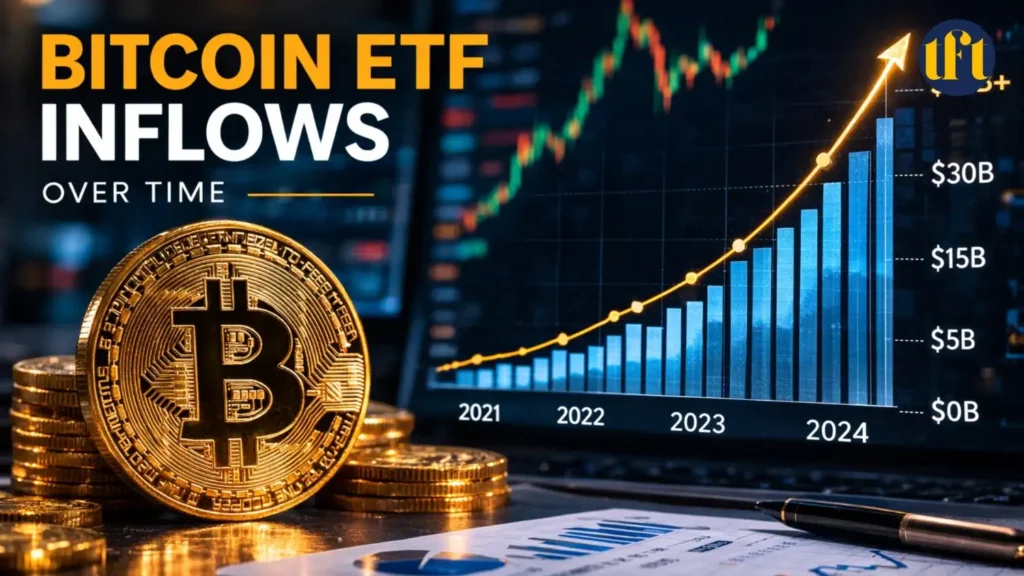
Recent reports show that bitcoin ETF inflows remain strong despite occasional market volatility. Some weeks have seen hundreds of millions of dollars entering these funds, demonstrating continued investor demand.
The table below illustrates how ETF inflows and outflows influence market sentiment.
| Factor | Impact on Crypto ETFs | Market Interpretation |
| High ETF inflows | Increased buying pressure | Bullish sentiment |
| Moderate inflows | Stable demand | Market consolidation |
| Outflows | Reduced investor confidence | Potential correction |
| High trading volume | Strong investor participation | Growing institutional interest |
These patterns are often closely watched in crypto ETF weekly reports, which track trading volume, net inflows, and market performance.
Ether and Other Crypto ETFs Showing Market Movement
While Bitcoin dominates headlines, Ethereum ETF funds are gaining attention among institutional investors. Ethereum offers exposure to blockchain infrastructure and decentralized applications, which many investors consider a long term growth opportunity.
Several asset managers have introduced Ethereum-based funds or proposed new ETF structures. This trend reflects growing demand for diversified ETF exposure to Bitcoin and Ethereum.
Other digital assets are also entering the ETF conversation. Solana ETF proposals and other blockchain investment products are being evaluated by regulators as the market expands.
How Recent ETF Activity Reflects Investor Sentiment
Crypto ETF trading activity often reflects broader market sentiment. When investors anticipate regulatory approvals or bullish cryptocurrency trends, ETF inflows tend to increase.
Strong inflows signal confidence in the crypto ETF market outlook, especially when institutional investors allocate capital to digital asset investment funds.
On the other hand, market uncertainty can trigger outflows. This typically occurs during regulatory uncertainty or macroeconomic changes affecting risk assets. Understanding these patterns helps investors interpret ETF crypto market trends and anticipate potential market movements.
Major Crypto ETFs and Companies Benefiting from the Market Shift
As crypto ETFs grow in popularity, several companies are positioned to benefit from this transformation in digital asset investing.
Coinbase Global and Its Role in Crypto ETF Infrastructure
Coinbase plays a crucial role in the crypto ETF ecosystem. Many ETF providers rely on Coinbase for digital asset custody and trading infrastructure.
Through its Coinbase ETF custody services, the company stores cryptocurrency holdings for several investment funds. Secure custody is essential for regulatory approval and investor confidence.
Because of this role, Coinbase has become a major beneficiary of crypto ETF adoption. Increased ETF activity often leads to higher transaction volumes and institutional partnerships.
Bit Digital’s Ethereum Holdings and ETF Exposure
Bit Digital is another company gaining attention in the crypto investment landscape. The firm focuses heavily on Ethereum mining and digital asset holdings.
As demand for Ethereum ETF funds increases, companies with significant ETH exposure may benefit from rising institutional interest.
Bit Digital’s strategy involves accumulating Ethereum and expanding infrastructure that supports blockchain technology. This approach positions the company within the broader ecosystem of digital asset investment funds.
Bitwise Solana Staking ETF and the Potential for Yield
Bitwise Asset Management has explored innovative ETF products, including staking based crypto funds. One notable concept is a Solana staking ETF, which would allow investors to earn staking rewards in addition to price appreciation.
Staking ETFs combine two investment opportunities:
- Exposure to cryptocurrency price movements
- Passive yield from blockchain validation rewards
These funds represent the next stage of staking crypto ETFs, which could expand the appeal of digital asset exchange traded funds to income oriented investors.
Market Trends Influencing Crypto ETF Momentum
The rise of crypto ETFs is closely tied to broader developments in the cryptocurrency market. Several trends are currently driving increased interest in digital asset investment products.
What’s Behind the Recent Cryptocurrency Market Surge
Cryptocurrency markets have experienced multiple cycles of expansion and correction. Recent bullish momentum is often attributed to institutional adoption and regulatory clarity.
The introduction of regulated ETFs has helped legitimize digital assets as an investment class. Many investors now view cryptocurrencies as part of a diversified portfolio.
Growing awareness of blockchain technology also contributes to the cryptocurrency market rebound. Industries ranging from finance to supply chain management continue to explore blockchain applications.
Institutional Demand Driving Crypto ETF Growth
One of the most significant drivers of crypto ETF adoption is institutional crypto investment. Large asset managers and hedge funds increasingly allocate capital to digital assets.
ETFs provide an accessible entry point for institutional investors who prefer regulated financial products. Instead of purchasing cryptocurrency directly, institutions can invest through traditional brokerage platforms.
This shift has increased crypto ETF investor demand, particularly among pension funds, wealth managers, and financial advisors.
Market Data and Charts Explaining ETF Trends
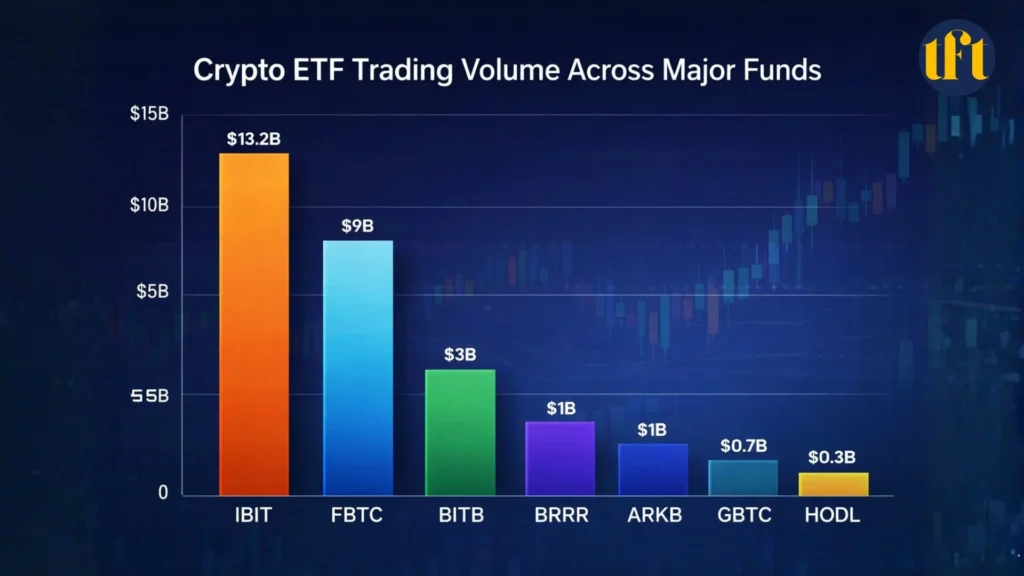
Market data provides valuable insight into the growth of digital asset exchange traded funds. Key metrics include ETF trading volume, inflow and outflow data, and overall fund performance.
Investment Outlook for Crypto ETFs
The future of crypto ETFs depends on regulatory developments, market adoption, and technological innovation.
Could Bitcoin and Other Crypto Assets Rebound in 2026?
Many analysts believe that cryptocurrencies may enter another growth phase by 2026. Several factors support this outlook.
First, increasing institutional participation strengthens market stability. Second, regulatory clarity surrounding ETFs encourages broader investor adoption.
Finally, technological advancements in blockchain infrastructure could drive new use cases for digital assets. These developments support a positive long term crypto ETF outlook.
Evaluating Crypto ETFs for Long-Term Investors
Investors considering crypto ETFs should evaluate several key factors before allocating capital.
- Fund management fees
- Liquidity and trading volume
- Custody security
- Regulatory compliance
Comparing these elements helps investors identify the best crypto ETFs to buy based on risk tolerance and investment goals.
Below is a simplified comparison between direct cryptocurrency ownership and ETF exposure.
| Investment Method | Advantages | Disadvantages |
| Buying Cryptocurrency | Full ownership of assets | Requires secure storage |
| Crypto ETF | Easy access through brokerage | Management fees |
| Futures-based ETF | Regulated derivatives exposure | May track price less accurately |
This comparison highlights the differences between a crypto ETF vs buying cryptocurrency directly.
Should Investors Consider Crypto Exposure Through ETFs Right Now?
Whether investors should allocate capital to crypto ETFs depends on their investment strategy.
ETFs provide a regulated and accessible way to gain ETF exposure to Bitcoin and Ethereum without managing digital wallets.
However, cryptocurrencies remain volatile assets. Investors should carefully assess the risks of crypto ETFs, including price fluctuations and regulatory changes.
A diversified portfolio approach can help mitigate these risks while still benefiting from potential cryptocurrency growth.
Frequently Asked Questions About SEC Crypto ETF News Today
1. What Is a Crypto ETF and How Does It Work?
A crypto ETF is an exchange traded fund that tracks the value of one or more cryptocurrencies. Investors can buy shares of the ETF through traditional brokerage accounts. Instead of directly owning digital assets, the ETF holds cryptocurrency or related derivatives on behalf of investors. This structure provides exposure to the cryptocurrency market within a regulated financial framework.
2. Why Does the SEC Delay Some Crypto ETF Approvals?
The SEC often delays ETF approvals to evaluate regulatory risks. These include market manipulation concerns, custody security, and investor protection. The SEC review of digital asset ETF proposals typically involves several rounds of analysis and public comment. This process ensures that funds meet strict compliance standards.
3. Which Crypto ETFs Are Currently Available to U.S. Investors?
Several spot Bitcoin ETFs are now available in the United States following regulatory approval. These funds track the price of Bitcoin and trade on major stock exchanges. Additional products include futures based ETFs and emerging Ethereum ETF funds that offer exposure to blockchain assets.
4. What Are the Risks of Investing in Crypto ETFs?
Crypto ETFs carry many of the same risks associated with cryptocurrency markets. These risks include high market volatility, regulatory uncertainty, liquidity fluctuations, and potential tracking errors in ETF pricing. Investors should evaluate their financial goals and risk tolerance before investing in digital asset exchange traded funds.
Final Thoughts
Crypto ETFs are rapidly transforming the landscape of digital asset investing. As regulators continue evaluating new proposals, SEC crypto ETF news today remains one of the most important signals for the cryptocurrency market.
Institutional demand, technological innovation, and regulatory clarity are all shaping the future of crypto investment products. While volatility remains a defining feature of digital assets, ETFs provide a more accessible gateway for investors seeking exposure.
For investors and analysts alike, staying informed about crypto ETF developments, SEC regulatory updates, and institutional investment trends will be essential as the digital asset market continues to evolve.