

Stories shape how people understand the world. Yet modern audiences rarely want just one version of a story. They want deeper context, diverse viewpoints, and multiple angles that reveal the full picture behind a topic.
This is where the concept of Your Topics Multiple Stories becomes powerful. Instead of telling a single narrative, this approach explores a core topic through several connected stories, each offering a unique perspective or insight.
In this comprehensive guide, you will learn the meaning, strategy, and practical framework behind Your Topics Multiple Stories, along with actionable steps to use it in storytelling, content marketing, education, and digital publishing.
Understanding the Concept of Your Topics Multiple Stories
What Does “Your Topics Multiple Stories” Mean?
The phrase Your Topics Multiple Stories refers to a storytelling and content strategy where one core topic is explored through multiple narratives, angles, or perspectives.
Instead of focusing on a single storyline, creators develop several stories that connect to the same central theme. Each story highlights a different aspect of the topic, making the overall narrative richer and more informative.
For example, a topic such as climate change could be explored through stories about scientists, farmers, policy makers, and everyday citizens. Each story adds depth while still supporting the main topic.
This framework is commonly used in:
- Digital media
- Content marketing
- Education
- Journalism
- Brand storytelling
By combining perspectives, audiences gain a more complete understanding of the topic.
What It Means to Have Multiple Stories for One Topic
Having multiple stories for one topic means examining the subject from several viewpoints rather than presenting a single narrative.
For instance, a topic like entrepreneurship can include stories about:
- Starting a business
- Overcoming failure
- Scaling a company
- Leadership challenges
- Investor relationships
Each story contributes to the larger narrative of entrepreneurship.
This approach is known as multiple perspectives storytelling and is widely used in modern storytelling frameworks.
It allows creators to explore complexity while maintaining thematic unity.
Core Concepts Behind the Framework
Depth and Variety
A major principle of Your Topics Multiple Stories is adding depth through variety.
When a topic is explored through several narratives, readers encounter a wider range of insights. This helps audiences better understand complicated subjects.
Instead of surface-level information, the content becomes layered and comprehensive.
Diverse Perspectives
Another core concept is presenting diverse perspectives.
Different people experience the same topic differently. Showing those experiences enriches the narrative and increases credibility.
For example, in a story about healthcare, perspectives may include:
- Patients
- Doctors
- Researchers
- Policy makers
This approach reflects real-world complexity.
Engagement Strategy
A multi-story approach also improves engagement.
When readers encounter different story angles, they remain curious about how each narrative connects to the overall topic.
This structure encourages longer reading time and deeper interaction with the content.
Why Your Topics Multiple Stories Matter Today
Why Modern Audiences Prefer Multiple Perspectives
Today’s audiences consume information from many sources.
They expect content to present multiple viewpoints rather than a single narrative.
Research in media studies suggests that audiences perceive multi-perspective storytelling as more trustworthy and informative.
When readers see different viewpoints, they feel more confident forming their own conclusions.
How Multi-Story Content Fits Modern Digital Consumption
Digital platforms reward depth and relevance.
Search engines prioritize content that demonstrates topical authority and semantic coverage. This means content that thoroughly explores a subject performs better in search rankings.
A multi-story narrative structure supports this goal because it naturally expands coverage of related subtopics.
From an SEO perspective, this strategy also supports content clusters and topical relevance.
The Role of Multiple Stories in Modern Storytelling
Storytelling has evolved significantly with the growth of digital media.
Traditional storytelling often followed a single protagonist and narrative arc. Modern storytelling frequently involves interconnected narratives that build a larger story world.
Examples include:
- Documentary journalism
- Podcast series
- Multi-character novels
- Interactive digital narratives
These formats demonstrate the power of multi-story narratives.
Where Your Topics Multiple Stories Are Used
Content Marketing and Branding
Brands use storytelling to connect emotionally with audiences.
A brand storytelling strategy often involves multiple narratives around a central theme. For example, a fitness brand may share stories about athletes, beginners, trainers, and wellness experts.
This approach builds authenticity and strengthens brand identity.
It also supports a strong content marketing strategy.
Digital Media and Online Publishing
Digital publications frequently use multi-story structures to cover complex topics.
Journalists often produce story series that explore different angles of the same issue.
Examples include investigative reporting projects where several articles examine different dimensions of a topic.
Education and Learning Environments
Storytelling is widely used in education.
Teachers often use narratives to explain concepts in history, science, or social studies.
Educational storytelling methods help learners connect emotionally with the material.
This improves retention and understanding.
Literary and Narrative Story Structures
Literature has long used multiple storylines within one narrative.
Many novels present parallel stories that gradually intersect.
Examples include historical fiction, fantasy series, and multi-character novels.
These storytelling techniques deepen narrative complexity.
Data and Analytical Storytelling
Data storytelling combines statistics with narratives.
Instead of presenting numbers alone, analysts use stories to explain trends and patterns.
This approach is increasingly used in business intelligence and journalism.
Benefits of Using Your Topics Multiple Stories
Builds Authority and Topical Depth
Exploring multiple narratives around a topic demonstrates expertise.
Readers see that the creator understands the subject from different angles.
This strengthens credibility and supports the topical authority strategy.
Improves Search Visibility and SEO Performance
Search engines evaluate content based on depth and relevance.
A multi-story structure naturally covers related keywords, concepts, and semantic variations.
This supports:
- Semantic SEO strategy
- Content clusters
- Topic relevance
As a result, the content becomes more discoverable.
Increases Audience Engagement
Storytelling keeps audiences emotionally invested.
Multiple narratives create curiosity about how stories connect.
This encourages readers to continue exploring the content.
Engagement metrics such as time on page often increase when storytelling is used effectively.
Encourages Personal and Professional Growth
Stories provide valuable lessons.
Readers can learn from different experiences and perspectives.
This makes multi-story content both informative and inspiring.
Single Story vs Multiple Stories
Key Differences Between the Two Approaches
| Feature | Single Story Approach | Multiple Stories Approach |
| Narrative Structure | One main storyline | Several interconnected stories |
| Perspective | Limited viewpoint | Diverse perspectives |
| Depth of Coverage | Often narrower | More comprehensive |
| Audience Engagement | Moderate | Higher engagement |
| Content Flexibility | Limited | Highly adaptable |
This comparison shows why the multi-story narrative approach is becoming more popular.
When to Use Each Approach
Single stories work well when the goal is to focus on one specific experience or event.
Multiple stories are more effective when:
- The topic is complex
- Several viewpoints are important
- The goal is deeper exploration
Choosing the right structure depends on the content objective.
How to Choose Topics That Work Best for Multiple Stories
What Are the Best Topics for Multiple Stories?
Not every topic works well with multiple narratives.
The best topics are those that involve:
- Diverse experiences
- Complex issues
- Human stories
- Multiple stakeholders
Examples include technology, education, entrepreneurship, health, and social change.
How to Find Topics for Storytelling
Creators often struggle with topic ideation.
Several techniques can help identify strong storytelling topics.
These include:
- Audience research
- Keyword research
- Industry trends
- Social media discussions
Brainstorming story ideas and analyzing search intent can also reveal potential story angles.
Step-by-Step Framework for Building Your Topics Multiple Stories
Step 1: Start With a Core Topic
Every multi-story framework begins with a central theme.
This core topic acts as the anchor for all narratives.
For example, the core topic could be remote work.
Step 2: Identify Sub-Narratives or Story Angles
Next, identify different story angles.
For the remote work topic, possible narratives include:
- Productivity
- Work-life balance
- Company culture
- Technology tools
Each angle becomes its own story.
Step 3: Segment the Audience
Different audiences connect with different narratives.
Segmenting the audience helps tailor stories effectively.
Examples include:
- Entrepreneurs
- Employees
- Students
- Executives
Understanding the audience journey improves storytelling impact.
Step 4: Select the Right Content Formats
Different formats support different storytelling styles.
Creators can choose between:
- Articles
- Videos
- Podcasts
- Infographics
Combining formats creates a stronger storytelling experience.
Step 5: Adapt Stories for Different Platforms
Stories must be optimized for each platform.
For example:
- Blog posts for search engines
- Videos for YouTube
- Short clips for social media
Cross-platform storytelling expands reach.
Content Formats for Presenting Multiple Stories
Written Content Formats
Written storytelling includes blog posts, long-form articles, and newsletters.
These formats allow detailed narrative development and deep analysis.
They also perform well in search engines.
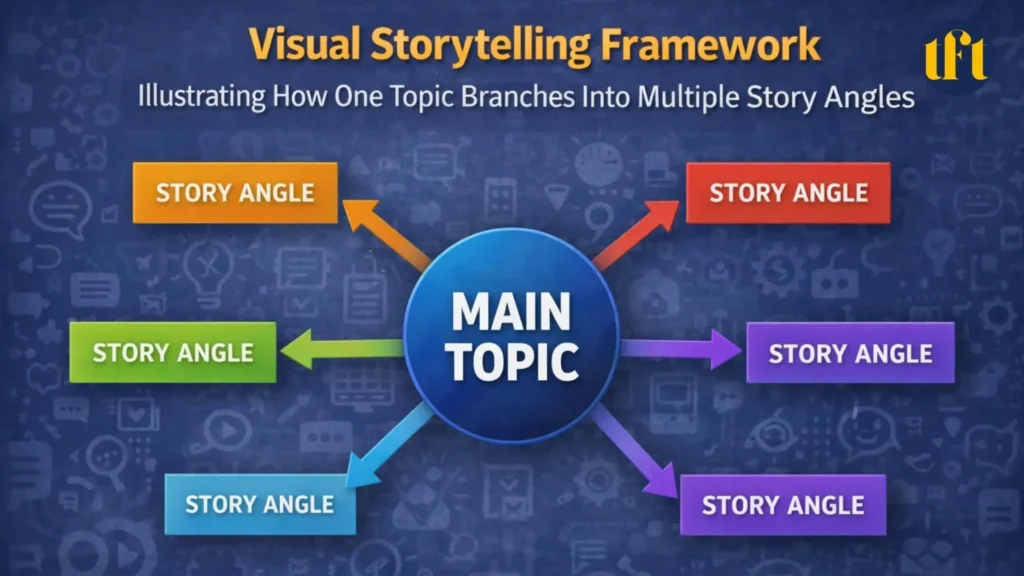
Visual Content Formats
Visual storytelling includes images, infographics, and videos.
These formats simplify complex ideas and capture attention quickly.
Audio and Conversational Content
Podcasts and audio stories have grown rapidly in popularity.
They allow creators to present personal experiences and interviews.
Audio storytelling creates a more intimate connection with audiences.
Examples of Your Topics Multiple Stories in Action
Real-World Case Studies
Many media organizations use multi-story storytelling.
For example, a documentary series may explore climate change through several individuals living in different regions.
Each story adds a unique perspective.
Examples Showing Multiple Perspectives on One Topic
Consider the topic of urban transportation.
Stories might include:
- City planners
- Commuters
- Environmental advocates
- Public transit operators
Together, these stories create a full narrative about transportation challenges.
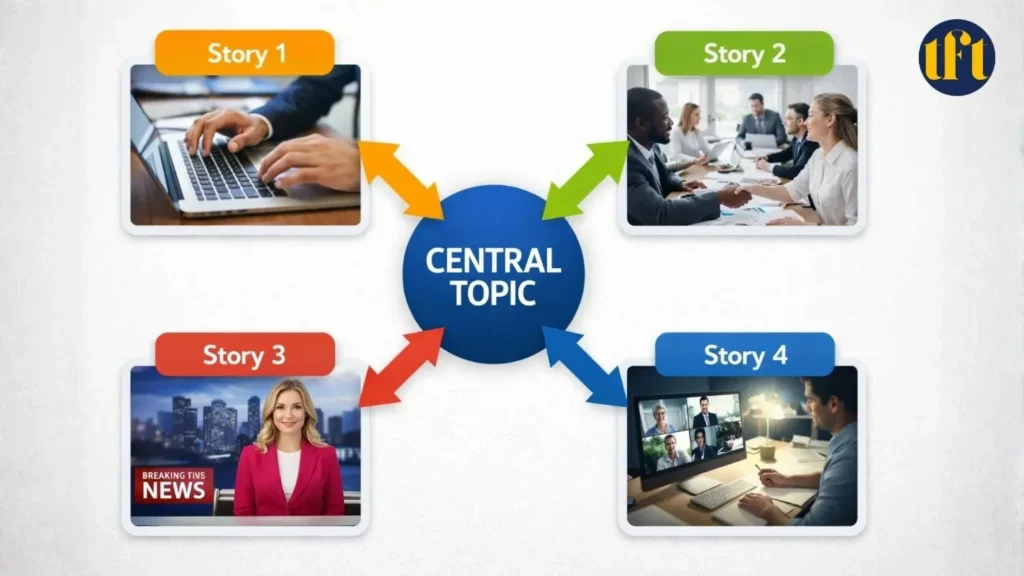
How Your Topics Multiple Stories Boosts Engagement
Story Presentation Strategies for Creators and Educators
Creators should structure stories so that each narrative builds on the previous one.
This approach maintains reader interest and encourages exploration.
Interactive elements such as timelines or story maps can enhance engagement.
Connecting Stories to Audience Journeys
Every audience follows a journey from awareness to understanding.
Multiple stories help guide readers through that journey.
For example:
- Awareness story
- Educational story
- Emotional story
- Action-oriented story
This structure supports effective audience engagement.
Measuring the Success of a Multiple Story Strategy
Key Performance Indicators
To evaluate storytelling success, track metrics such as:
- Time on page
- Engagement rate
- Conversion rate
- Social shares
These metrics reveal how audiences interact with the stories.
Analytics Tools and Measurement Techniques
Common analytics tools include:
- Google Analytics
- Search Console
- Social media insights
These tools provide data for improving storytelling strategies.
Challenges and Limitations of Multi-Story Content
Content Overwhelm
Producing multiple stories can become overwhelming.
Creators may struggle with planning and organization.
Developing a content roadmap helps prevent this issue.
Resource Management and Production Challenges
Multi-story storytelling requires time and resources.
Teams may need writers, designers, editors, and researchers.
Efficient workflow management is essential.
Quality Control Across Multiple Stories
Maintaining consistent quality across stories can be difficult.
Editors should ensure each narrative aligns with the core topic.
Consistency strengthens the overall storytelling framework.
Best Practices for Managing Multiple Stories Under One Topic
Content Clustering and Organization
Content clustering groups related stories around a central topic.
This approach supports both storytelling and SEO strategy.
It also improves internal linking.
Cross-Platform Integration
Stories should be distributed across multiple platforms.
For example:
- Blogs
- Social media
- Podcasts
- Video platforms
Cross-platform storytelling increases audience reach.
Building a Sustainable Content System
A sustainable storytelling system includes:
- Editorial calendars
- Content planning tools
- Team collaboration processes
These systems ensure consistent story production.
Future Trends in Multiple Story Content
Artificial Intelligence in Story Creation
Artificial intelligence is transforming storytelling.
AI tools can assist with research, content ideation, and narrative development.
However, human creativity remains essential.
Interactive and Immersive Storytelling
Interactive storytelling allows audiences to explore stories dynamically.
Technologies such as augmented reality and virtual reality are expanding storytelling possibilities.
These formats create immersive experiences.
Voice and Conversational Content
Voice technology is changing how audiences consume content.
Voice assistants and conversational interfaces allow users to interact with stories in new ways.
Audio storytelling will continue growing.
Frequently Asked Questions About Your Topics Multiple Stories
1. What does Your Topics Multiple Stories mean?
It refers to exploring a single topic through several connected narratives that present different perspectives or insights.
2. Why is Your Topics Multiple Stories important?
This strategy creates a deeper understanding, increases engagement, and strengthens topical authority in content creation.
3. Where is Your Topics Multiple Stories used?
It is used in content marketing, journalism, education, digital media, branding, and storytelling projects.
4. What is a story with multiple perspectives called?
It is often referred to as multi-perspective storytelling or multi-narrative storytelling.
5. Can there be more than one topic in a story?
Yes, stories can include multiple themes. However, most storytelling frameworks focus on a central topic supported by related subtopics.
Conclusion
The concept of Your Topics Multiple Stories reflects the evolution of modern storytelling. Instead of presenting a single narrative, creators now explore topics through multiple interconnected stories that offer richer insights and deeper engagement.
This approach supports stronger storytelling, improved audience engagement, and better content performance across digital platforms. It also aligns with modern SEO strategies that prioritize topical depth and semantic relevance.
By identifying a core topic, developing diverse story angles, and presenting narratives across multiple formats, creators can build compelling storytelling ecosystems that resonate with audiences.