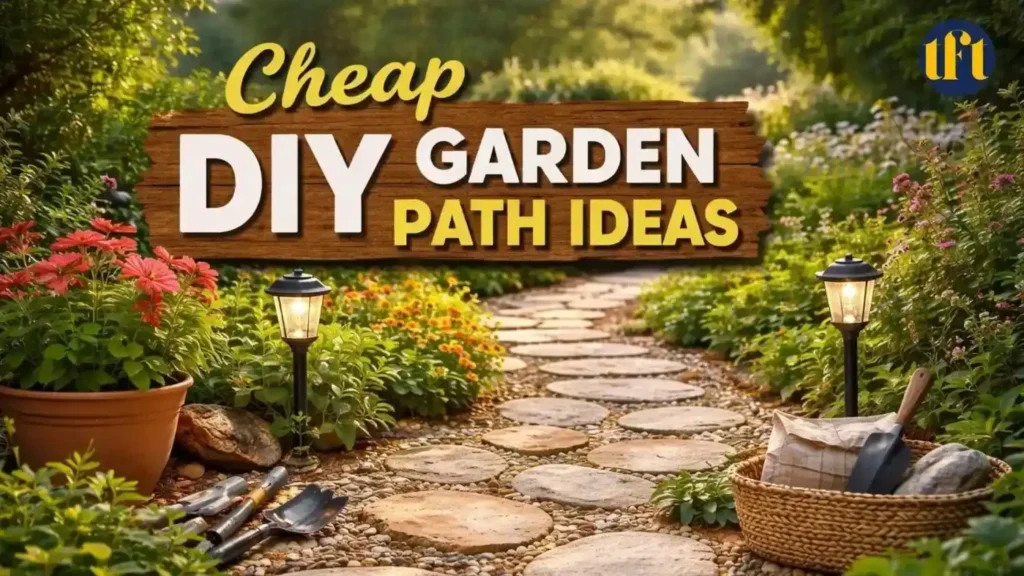

A beautiful garden does not require a large landscaping budget. Many homeowners create attractive outdoor walkways using inexpensive materials that are easy to install with basic tools. With the right planning and creativity, a simple DIY garden path can transform the look of your yard while improving accessibility and curb appeal.
Cheap DIY garden path ideas allow you to build functional walkways that guide visitors through your landscape while protecting grass and soil from foot traffic. Whether you prefer gravel, stepping stones, reclaimed brick, or natural materials like mulch and wood chips, there are many affordable options that fit nearly any backyard design.
This guide explores practical and creative ways to build a budget garden walkway using low cost materials. You will also learn how to plan your path, choose the best materials, and install a durable outdoor walkway that looks great and lasts for years.
Why Create a Garden Path in Your Yard?
Practical Benefits of Garden Walkways
A garden walkway provides a defined route through your landscape while protecting delicate plants and lawn areas. When people walk repeatedly across grass or soil, it can compact the ground and damage plant roots. A designated path prevents this problem while keeping your garden organized and accessible.
An inexpensive garden walkway also makes it easier to move through the yard during different seasons. Whether you are watering plants, carrying tools, or harvesting vegetables, a stable surface improves comfort and convenience.
Garden paths also help organize outdoor space. By guiding foot traffic through certain areas, you create natural zones for planting beds, patios, and decorative features.
How Garden Paths Improve Landscaping and Curb Appeal
One of the biggest advantages of DIY garden path projects is the visual impact they create. A well designed garden walkway adds structure and character to any yard.
Different materials can dramatically change the style of your landscape. For example:
- Gravel garden paths create a relaxed cottage garden atmosphere.
- Brick garden paths add a traditional and elegant feel.
- Flagstone walkways create a natural and rustic look.
- Wooden walkways complement woodland or natural landscapes.
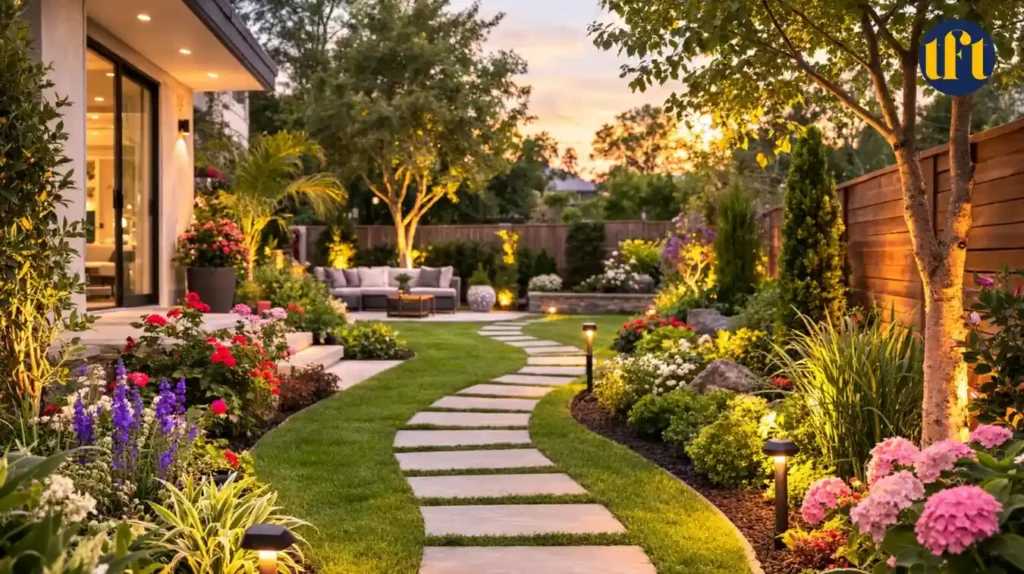
Even simple garden path ideas can make a backyard feel more inviting and thoughtfully designed. Homeowners often include walkways in backyard landscaping ideas because they guide visitors through the garden while highlighting plants, trees, and outdoor features.
Preventing Mud, Slippery Surfaces, and Soil Compaction
In many yards, especially those with clay soil or frequent rainfall, walking directly on the ground can quickly create muddy areas. Over time, this results in uneven surfaces that are difficult to maintain.
Installing a simple garden path solves this problem by providing a stable walking surface. Materials like gravel, decomposed granite, or stepping stones allow water to drain while preventing puddles and mud buildup.
Paths also reduce soil compaction in planting beds. When soil becomes compacted, plant roots struggle to absorb nutrients and water. A dedicated walkway protects soil health and improves plant growth.
Planning Your DIY Garden Path
How Wide Should a Garden Path Be?
Choosing the right width is one of the first decisions when planning a DIY garden walkway.
For most residential gardens, the recommended widths are:
| Path Type | Recommended Width |
| Single person walkway | 24 to 30 inches |
| Comfortable garden path | 36 inches |
| Two person walkway | 48 inches or wider |
A narrow path works well in small gardens or side yards. Wider paths are better for main walkways that connect patios, decks, or outdoor seating areas.
When planning cheap DIY garden path ideas for small gardens, focus on maximizing space without making the walkway feel cramped.
Choosing the Best Location for a Garden Walkway
The placement of your garden path should follow natural movement patterns through the yard. Most successful garden walkway designs connect key outdoor areas such as:
- House entrances
- Patio spaces
- Garden beds
- Tool sheds
- Vegetable gardens
Curved paths often feel more natural than straight lines. A gently winding path encourages visitors to explore the garden while revealing new views along the way.
Before building the path, walk through the yard and observe where people naturally step. These natural trails often indicate the ideal location for a permanent walkway.
Tips for Constructing an Affordable Garden Path
Building a garden path on a budget requires thoughtful planning. Here are several strategies that help keep costs low.
Use locally available materials. Gravel, mulch, and natural stones are often cheaper when purchased from local suppliers.
Reuse materials whenever possible. Many homeowners find reclaimed bricks, pavers, or stones through construction sites, salvage yards, or local marketplaces.
Choose simple installation methods. Paths that require minimal excavation or foundation materials will cost less and are easier for beginners.
DIY landscaping projects like these are popular because they combine affordability with creativity.
Safety Considerations and Non-Slip Surfaces
Safety is important when designing outdoor walkways. Slippery surfaces can become dangerous during rain or winter weather.
Materials like gravel, decomposed granite, or textured stone provide good traction. Avoid smooth surfaces that become slick when wet.
Paths should also include proper drainage. Slightly sloping the path helps water run off instead of pooling on the walkway.
For areas with heavy rainfall, consider installing edging materials that prevent gravel or mulch from washing away.
Choosing the Right Materials for Cheap DIY Garden Path Ideas
Natural Materials vs Hardscape Materials
Garden path materials generally fall into two categories: natural materials and hardscape materials.
Natural materials include mulch, wood chips, pine needles, and grass. These materials blend well with garden environments and are usually very inexpensive.
Hardscape materials include stone, brick, pavers, and concrete. These materials tend to be more durable and require less maintenance.
Each option offers unique benefits depending on the style of garden walkway you want to create.
Factors That Affect Cost and Durability
Several factors influence the total cost of building a garden path.
Material price is the most obvious factor. Gravel and mulch are among the cheapest garden path materials, while stone and pavers are slightly more expensive.
Installation complexity also affects cost. Some materials require base layers or additional preparation.
Durability should also be considered. While mulch paths are inexpensive, they need occasional replacement. Stone and brick paths last much longer.
Recycled and Secondhand Materials for Budget Paths
One of the best ways to create cheap backyard landscaping features is by using recycled materials.
Reclaimed bricks, old paving stones, and leftover construction materials can often be repurposed into beautiful garden paths.
Secondhand stone walkways are especially popular because they provide a natural appearance while reducing material costs.
Many landscaping enthusiasts search local marketplaces for reclaimed materials that can be used in DIY garden walkway projects.
Cheap DIY Garden Path Ideas You Can Build Yourself
Mulch Garden Path
Mulch paths are among the simplest and most affordable garden walkway ideas. Organic mulch materials such as bark chips or shredded wood create a soft surface that blends naturally with plants and trees.
Mulch also improves soil health by gradually decomposing and adding nutrients to the ground.
These paths are easy to install and work especially well in vegetable gardens or woodland style landscapes.
Wood Chip Pathway
Wood chips provide a similar look to mulch but often last slightly longer. Many tree trimming services offer free wood chips, making this one of the cheapest garden path materials available.
Spread a thick layer of chips over landscape fabric to prevent weeds. The result is a natural garden pathway that feels soft underfoot.
Fallen Leaves Garden Path
If you have large trees in your yard, fallen leaves can become a free landscaping resource. When packed tightly, leaves create a soft walking surface that works well in informal garden areas.
Although this option requires occasional replenishment, it remains one of the most inexpensive garden walkway solutions.
Pine Needle Garden Path
Pine needles create a unique rustic garden path that is common in forest landscapes. Their natural texture helps prevent slipping while allowing water to drain easily.
Pine needle paths work especially well around evergreen trees and natural woodland gardens.
Pea Gravel Garden Path
Pea gravel paths are extremely popular in backyard landscaping ideas because they are affordable and attractive.
The small, rounded stones create a decorative garden walkway that allows water to drain easily.
Pea gravel is also easy to install and can be contained using simple edging materials.
Classic Gravel Walkway
A classic gravel garden path uses slightly larger crushed stones instead of rounded pea gravel.
This material compacts more firmly and creates a stable walking surface.
Many homeowners choose gravel because it offers a balance between affordability and durability.
Compacted Decomposed Granite Path
Decomposed granite is a natural material that compacts into a smooth and stable surface.
This type of path is common in parks and public gardens because it offers good drainage and durability.
It also creates a natural garden pathway appearance that complements many landscape styles.
Flagstone Garden Path
Flagstone paths are known for their natural beauty and irregular shapes.
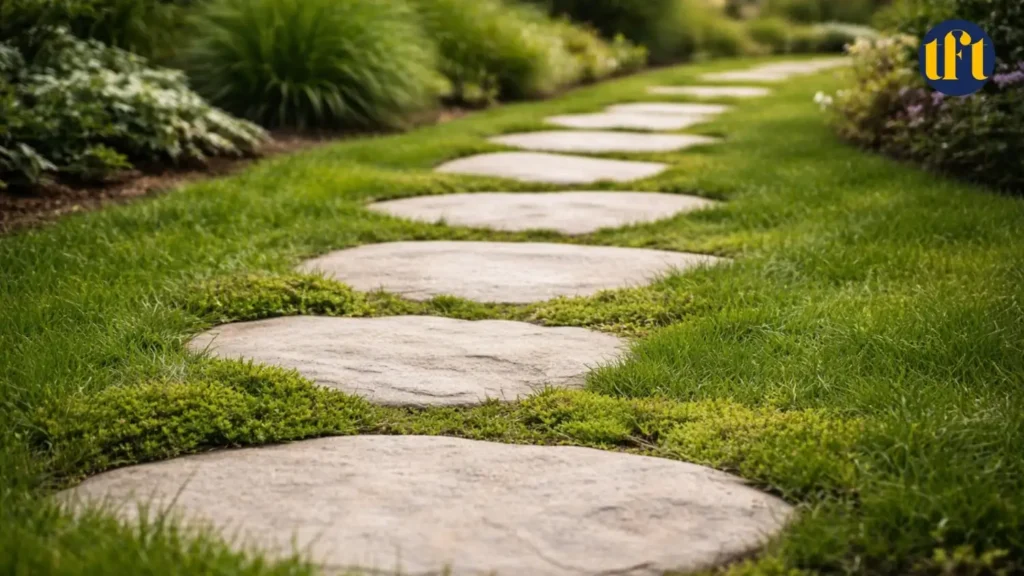
Although flagstone can be more expensive than gravel, using spaced stones with grass or groundcover between them reduces material costs.
This design creates a charming cottage garden path.
Brick Garden Path
Brick paths are classic and durable. When arranged in patterns such as herringbone or basket weave, they create visually appealing walkways.
Reclaimed brick path materials are widely available and often cheaper than buying new bricks.
Stepping Stone Path
Stepping stones create simple and decorative garden walkway designs.
Large stones are spaced apart across grass or gravel, allowing plants to grow between them.
This style works well in gardens where you want the landscape to remain the focal point.
Concrete Slab Path
Concrete slabs offer a modern garden walkway appearance. Precast slabs are inexpensive and easy to install.
Spacing the slabs apart with gravel or grass between them creates a stylish yet affordable design.
Pebble Mosaic Garden Walkway
Pebble mosaics combine small stones arranged in decorative patterns.
While installation takes patience, the result is a highly decorative outdoor walkway.
This option works best for small garden paths or decorative areas.
Grass or Turf Walkway
Grass paths blend seamlessly into the landscape.
These paths require regular mowing but remain one of the cheapest landscaping path options.
Turf garden paths are commonly used in large lawns or meadow style gardens.
Groundcover Garden Path
Low growing plants such as creeping thyme or moss can replace traditional path materials.
These plants tolerate foot traffic while adding greenery and fragrance to the walkway.
Groundcover paths are ideal for natural garden designs.
Log Round (Tree Slice) Pathway
Tree slice paths use circular pieces of wood cut from tree trunks.
The pieces are placed closely together to form a rustic pathway.
This design is especially popular in woodland themed gardens.
Wooden Walkway
Wooden walkways resemble small boardwalks and are ideal for damp areas.
Pressure treated lumber or composite boards help prevent decay.
These paths are commonly used in coastal or marshy landscapes.
Paver Garden Path
Concrete pavers offer a durable and structured walkway solution.
They are available in many shapes and colors, making them suitable for modern garden walkway designs.
Reclaimed Brick Path
Reclaimed bricks create a vintage aesthetic while reducing costs.
These bricks often come from demolition sites and offer a unique weathered appearance.
Secondhand Stone Path
Secondhand stone walkways can often be found at salvage yards.
Using reused stone not only saves money but also adds character to the garden.
Flagstone and Grass Garden Path
Combining flagstone with grass creates a natural garden pathway.
Grass grows between the stones while the flagstone provides stepping surfaces.
Flagstone and Moss Garden Path
Moss filled joints between stones create a beautiful woodland style path.
This design works best in shaded areas with consistent moisture.
Gravel and Paver Garden Path
Mixing gravel with evenly spaced pavers adds visual interest while maintaining stability.
The gravel fills the gaps between pavers and improves drainage.
Pea Gravel and Stepping Stone Path
This design combines the stability of stepping stones with the affordability of gravel.
It is one of the most common budget garden path ideas.
Pea Gravel Metal-Edged Path
Metal edging keeps gravel contained while creating a clean and modern appearance.
The edging prevents stones from spreading into garden beds.
Brick and Paver Mosaic Path
A mosaic walkway combines different brick or paver shapes to create decorative patterns.
This style allows you to use leftover materials creatively.
How to Build a Simple DIY Garden Path (Step-by-Step)
Preparing the Ground
Begin by marking the path layout with rope or spray paint.
Remove grass and topsoil from the path area to create a shallow trench.
Level the ground to ensure a stable base.
Installing Base Layers
A base layer helps prevent sinking and shifting.
Spread crushed stone or gravel evenly across the trench.
This layer improves drainage and stability.
Laying the Path Material
Once the base is prepared, install your chosen material.
For stepping stones, place each stone carefully while checking alignment.
For gravel paths, spread the material evenly across the base.
Compacting and Finishing the Surface
Compacting the material ensures long term durability.
Use a hand tamper or plate compactor to press materials firmly into place.
Finish by adding edging materials to maintain the shape of the walkway.
Borders and Edging Ideas for Budget Garden Paths
Brick Edging
Brick edging creates a clean border that keeps path materials contained.
It also adds a decorative accent to the garden walkway.
Timber or Wood Edging
Wood edging is easy to install and works well with natural landscapes.
Pressure treated wood helps extend durability.
Rock and Stone Edging
Large stones create a rustic border around garden paths.
They also help stabilize gravel or mulch surfaces.
Metal Edging Options
Metal edging offers a modern appearance and long lasting durability.
It is commonly used for gravel garden paths.
Extra Features to Enhance Your Garden Walkway
Allowing Plants to Grow Between Stones
Plants such as creeping thyme or moss soften the appearance of hard materials.
They also add fragrance and color to the path.
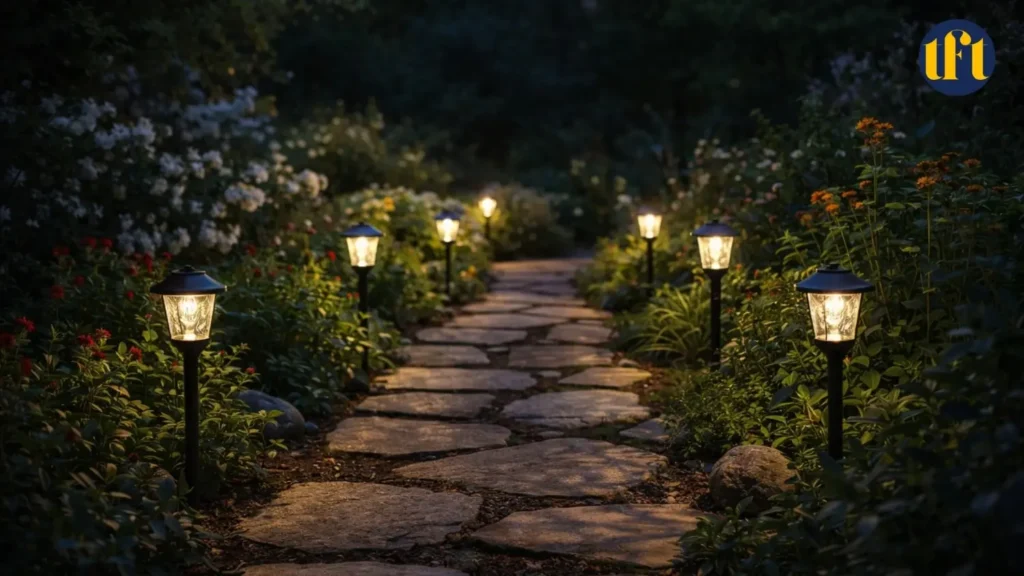
Adding Lighting Along the Path
Solar lights improve safety and create a welcoming atmosphere.
Garden path lighting ideas often include small stake lights or lantern style fixtures.
Landscaping Tips to Complement Garden Paths
Surround the path with flowers, shrubs, or decorative grasses.
This enhances the visual appeal and integrates the walkway into the overall landscape.
What Is the Most Affordable Way to Build a Garden Path?
The cheapest way to make a garden path is usually by using natural materials that are locally available.
Mulch, wood chips, pine needles, and gravel are among the lowest cost options.
These materials require minimal preparation and can be installed quickly.
Many homeowners combine these materials with simple edging to create attractive budget garden walkway ideas.
What Garden Path Material Is the Cheapest?
The following table compares common garden path materials and their typical affordability.
| Material | Cost Level | Durability | Maintenance |
| Mulch | Very Low | Low | Replace yearly |
| Wood Chips | Very Low | Medium | Occasional refill |
| Gravel | Low | High | Minimal |
| Pea Gravel | Low | High | Minimal |
| Stepping Stones | Medium | High | Low |
| Brick | Medium | Very High | Low |
| Flagstone | Medium | Very High | Low |
Gravel and wood based materials are usually the most budget friendly.
Final Tips for Building Cheap DIY Garden Paths
Creating an attractive garden path does not require expensive landscaping materials. With thoughtful planning and creativity, you can design a walkway that improves both function and visual appeal.
Start with a clear path layout and choose materials that match your garden style. Consider mixing materials such as gravel and stepping stones to create visual interest while keeping costs low.
Focus on durability and drainage to ensure the path lasts for many years. Simple DIY landscaping projects like garden paths often provide some of the biggest improvements in backyard design.