

Booking the right hotel can make the difference between a relaxing vacation and a frustrating travel experience. Many travelers focus only on price, but seasoned travelers know that the real secret lies in using smart Hotels Travel Tweaks. These strategic tips help you secure better deals, avoid hidden costs, and maximize the comfort of your stay.
Whether you are planning a weekend getaway or an international trip, understanding how hotel booking works can save hundreds of dollars while improving your overall travel experience. This guide reveals practical strategies used by experienced travelers to book smarter, stay better, and enjoy more value from every hotel reservation.
What “Hotels Travel Tweaks” Really Mean for Modern Travelers
The phrase “Hotels Travel Tweaks” refers to practical strategies that help travelers improve their hotel booking decisions and enhance their stay experiences. These tweaks involve understanding hotel pricing, using booking tools effectively, and leveraging perks such as loyalty programs and credit card benefits.
Modern hotel pricing is influenced by technology, dynamic demand, and traveler behavior. Because of this, two guests booking the same room on different days may pay very different prices. Travelers who understand this system can make better booking decisions and avoid unnecessary costs.
Hotels’ travel tweaks also include strategies used during the stay itself. For example, choosing the right room location, asking for upgrades, or utilizing hotel amenities can significantly improve comfort without increasing expenses.
In simple terms, these tweaks help travelers get more value from their hotel reservations while minimizing risks and surprises.
Why Your Hotel Choice Can Make or Break Your Trip
Choosing the right hotel goes beyond finding a place to sleep. Your hotel influences convenience, safety, comfort, and overall travel enjoyment.
A poorly chosen hotel can create problems such as long commutes, unexpected fees, noisy environments, or a lack of basic amenities. On the other hand, a well-chosen hotel improves the entire travel experience by providing convenience, comfort, and easy access to attractions.
Location is often the most important factor. Hotels near transportation hubs or city centers allow travelers to explore destinations more efficiently. Access to restaurants, attractions, and public transportation can significantly reduce travel time and costs.
Amenities also play a major role. Features like free breakfast hotels, hotel gyms, and business centers add convenience and value. Travelers who consider these factors carefully often enjoy smoother trips with fewer unexpected challenges.
How to Research Hotels Effectively Before Booking
Thorough research is one of the most important hotel booking tips. Taking time to compare options and evaluate reviews helps travelers avoid disappointing accommodations.
Using Multiple Meta-Search Engines and Aggregators
Meta-search engines collect hotel prices from multiple booking platforms. These tools help travelers quickly compare prices across various sites.
Popular hotel search engines and booking platforms include:
| Platform | Best For | Key Advantage |
| Google Hotels | Price comparison | Aggregates many booking platforms |
| Kayak | Deal tracking | Strong filtering features |
| Trivago | Price comparison | Finds the lowest available rates |
| Expedia | Packages | Bundled travel discounts |
Using multiple platforms allows travelers to identify the lowest available hotel prices.
Checking Hotel Websites Directly for Better Rates
Many hotels offer exclusive discounts for travelers who book directly through their official websites. These direct bookings sometimes include perks such as free breakfast, room upgrades, or flexible cancellation policies.
Hotels prefer direct bookings because they avoid paying commission to online travel agencies. As a result, they often provide incentives that are not available on third-party booking platforms.
Travelers should always check both booking platforms and official hotel websites before finalizing reservations.
Reading Guest Reviews and Travel Forums Carefully
Guest reviews are essential for evaluating hotel quality and service reliability. Platforms like TripAdvisor and Google Reviews provide insights into real guest experiences.
When reviewing feedback, focus on consistent patterns rather than isolated complaints. Repeated mentions of cleanliness issues or poor customer service are warning signs.
Travel forums can also reveal useful travel planning tips. Experienced travelers often share practical advice about specific hotels and destinations.
Researching the Hotel Location and Neighborhood
Even the best hotel can become inconvenient if it is located far from attractions or transportation. Before booking, review the hotel’s neighborhood using online maps.
Consider the following factors when evaluating location:
- Distance from tourist attractions
- Accessibility to public transportation
- Safety of the surrounding area
- Nearby restaurants and shopping options
Travelers who research locations carefully often save time and transportation costs during their trips.
Understanding Hotel Pricing and Room Rate Structures
Hotel pricing systems can be complex. Understanding how pricing works helps travelers make better booking decisions.
Base Rate vs Total Cost
The base rate shown during hotel searches does not always represent the final price. Additional costs such as taxes, resort fees, and service charges may increase the total cost significantly.
Travelers should always review the total price breakdown before confirming reservations.
Dynamic Pricing in the Hotel Industry
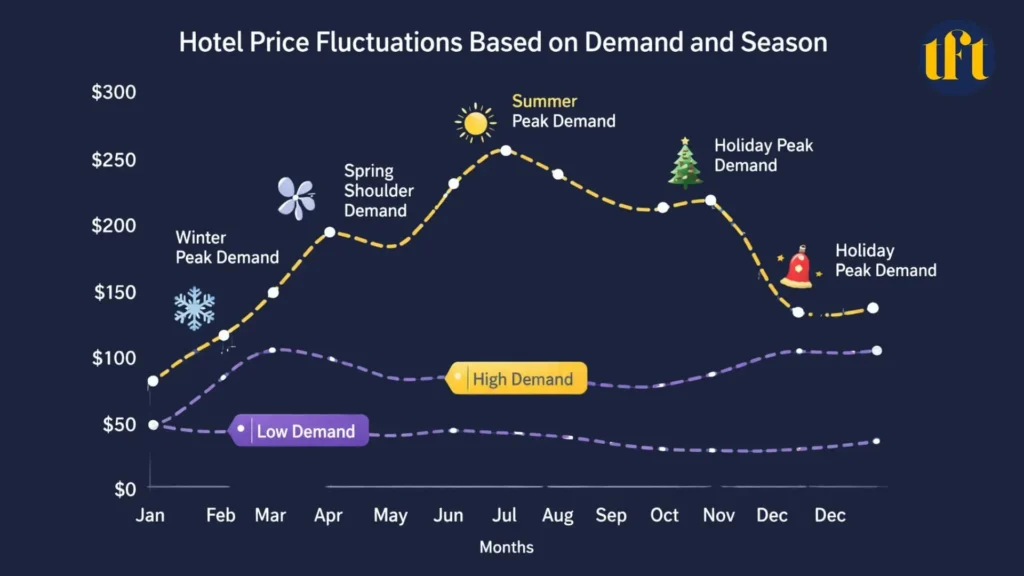
Hotels commonly use dynamic pricing, meaning prices change based on demand, seasonality, and booking patterns. This system is similar to airline ticket pricing.
During high demand periods such as holidays or major events, hotel prices can increase dramatically. Booking during lower demand periods often results in better deals.
Hidden Fees Travelers Often Miss
Hidden fees can significantly increase hotel costs. Common examples include:
- Resort fees
- Parking charges
- WiFi fees
- Late check-in fees
Carefully reviewing the hotel’s fee structure helps travelers avoid unexpected expenses.
Cancellation Policies and Pricing Traps
Flexible cancellation policies provide protection if travel plans change. However, hotels often offer lower rates for non-refundable reservations.
Travelers should weigh the risk before choosing non-refundable bookings. In uncertain travel situations, flexible cancellation policies are often the safer option.
The Science of Timing: When to Book Hotels for the Best Deals
Timing plays a critical role in securing the best hotel deals.
The Best Booking Windows
Research shows that booking hotels approximately one to three weeks before arrival often results in competitive pricing. However, for international travel or peak seasons, booking earlier may be beneficial.
Weekday vs Weekend Pricing Differences
Business hotels often lower their rates on weekends because corporate demand decreases. Conversely, resort hotels may charge higher prices during weekends when leisure travel increases.
Travelers who adjust their travel schedules can often save money by booking during lower demand periods.
Seasonal Demand and Pricing Fluctuations
Hotel prices vary based on seasonal travel patterns. Peak tourist seasons often bring higher rates due to increased demand.
Travelers can save significantly by visiting destinations during the shoulder seasons. These periods offer lower prices and fewer crowds.
Monitoring Price Drops and Last-Minute Deals
Price tracking tools allow travelers to monitor hotel rates. If prices drop after booking with a flexible reservation, travelers can cancel and rebook at the lower rate.
Many booking platforms offer price alerts that notify users of rate changes.
Smart Ways to Compare Booking Platforms and Direct Rates
Comparing booking platforms helps travelers identify the best hotel deals available.
Online travel agencies sometimes offer exclusive promotions or bundled discounts. However, direct hotel bookings may include better cancellation terms or complimentary amenities.
Travelers should compare at least three booking sources before making final reservations.
Choosing the Right Hotel for Your Needs
Different travelers have different priorities when choosing hotels.
Proximity to Attractions and Transportation
Hotels located near attractions or transportation hubs reduce travel time and improve convenience.
Urban travelers often benefit from hotels near subway stations or city centers.
Safety and Accessibility Considerations
Safety is essential when selecting accommodations. Travelers should research neighborhood safety ratings and verify hotel security features.
Accessibility features are also important for travelers with mobility needs.
Amenities and Services Nearby
Nearby services such as grocery stores, pharmacies, and restaurants improve convenience during longer stays.
Hotels located in well-developed areas often provide better access to essential services.
Technology Tools That Help Travelers Find Better Hotel Deals
Technology has transformed hotel booking strategies.
Price Comparison Tools
Hotel price comparison tools collect pricing information from multiple platforms.
These tools simplify the process of identifying the best available deals.
Price Prediction and Alert Tools
Price tracking tools analyze historical pricing trends and predict future price changes.
Travelers can receive alerts when hotel prices drop.
Review Aggregators
Review aggregators compile guest feedback from multiple platforms. These tools help travelers evaluate hotels more efficiently.
Travel Management and Booking Apps
Travel apps allow users to manage reservations, track itineraries, and monitor price changes.
These apps simplify travel planning and improve organization.
How to Get the Best Deals, Discounts, and Hotel Packages
Smart booking strategies can significantly reduce hotel costs.

Special Discounts and Promotions
Hotels frequently offer discounts for students, seniors, military personnel, and members of loyalty programs.
Checking eligibility for these discounts can reduce booking costs.
Package Deals and Bundled Travel Offers
Booking flights and hotels together can provide significant savings.
Travel agencies often offer package deals that reduce overall travel expenses.
Credit Card Benefits and Travel Perks
Many travel credit cards provide hotel perks such as:
- free room upgrades
- late check-out privileges
- reward points for bookings
These benefits can add substantial value to hotel stays.
Group Travel and Cost-Sharing Strategies
Traveling with friends or family allows guests to share accommodation costs.
Suite-style rooms or multi-bedroom accommodations can be economical options for groups.
Mastering Hotel Loyalty Programs and Rewards
Loyalty programs reward frequent travelers with valuable perks.
Popular Hotel Loyalty Programs
Major hotel chains offer well-known rewards programs, including:
- Marriott Bonvoy
- Hilton Honors
- World of Hyatt
- IHG One Rewards
These programs allow travelers to earn points for future stays.
How to Maximize Points and Rewards
Travelers can maximize rewards by combining loyalty points with promotional offers.
Using travel credit cards that partner with hotel chains can accelerate reward accumulation.
Stacking Loyalty Benefits with Discounts
Experienced travelers often combine loyalty rewards with seasonal discounts or promotional offers.
This strategy allows travelers to secure premium accommodations at reduced prices.
Secrets to Getting Upgrades, Perks, and Extra Value
Experienced travelers often use simple strategies to obtain additional benefits.
How to Request Complimentary Room Upgrades
Politely asking for room upgrades during check-in can sometimes result in better rooms.
Hotels occasionally provide upgrades when availability allows.

Using Personal Occasions to Improve Your Stay
Mentioning special occasions such as anniversaries or birthdays may lead to complimentary upgrades or small gifts.
Hotels often aim to enhance guest experiences during special celebrations.
Early Check-In and Late Check-Out Strategies
Requesting flexible check-in or check-out times can improve travel convenience.
Hotels may grant these requests depending on room availability.
Taking Advantage of Free Hotel Amenities
Many hotels provide complimentary services such as:
- breakfast
- fitness centers
- shuttle services
Utilizing these amenities enhances value without additional cost.
Hidden Amenities and Small Hotel Tweaks That Improve Your Stay
Many hotels offer lesser-known amenities that travelers overlook.
Examples include concierge services, complimentary welcome drinks, and evening social events. These services improve the guest experience without additional charges.
Travelers who explore hotel amenities carefully often discover unexpected benefits that improve their stay.
Practical On-Site Hotel Hacks for Comfort and Convenience
Simple strategies can improve comfort during hotel stays.
Room Selection Strategies (Quiet Rooms, Elevator Distance, etc.)
Rooms away from elevators and ice machines tend to be quieter.
Higher floors often provide better views and reduced street noise.
Using Hotel Shuttle Services and Parking Benefits
Many hotels provide complimentary airport shuttle services.
Hotels offering free parking can save travelers significant transportation costs.
Avoiding Mini-Bar and In-Room Dining Charges
Mini-bar items and in-room dining services often include substantial markups.
Travelers can save money by purchasing snacks from nearby stores instead.
Alternative Accommodation Options Travelers Should Consider
Traditional hotels are not the only accommodation options available.
Boutique and Family-Owned Hotels
Boutique hotels often provide personalized service and unique experiences.
These smaller properties sometimes offer competitive pricing compared to large chains.
Extended Stay Hotels
Extended stay hotels provide kitchen facilities and additional living space.
These accommodations are ideal for longer trips or business travel.
Hotels with Kitchen or Self-Service Facilities
Hotels with kitchen facilities allow guests to prepare meals, reducing dining expenses.
These accommodations are particularly useful for families.
Safety, Security, and Responsible Hotel Travel
Safety and sustainability are increasingly important considerations.
Protecting Valuables in Hotels
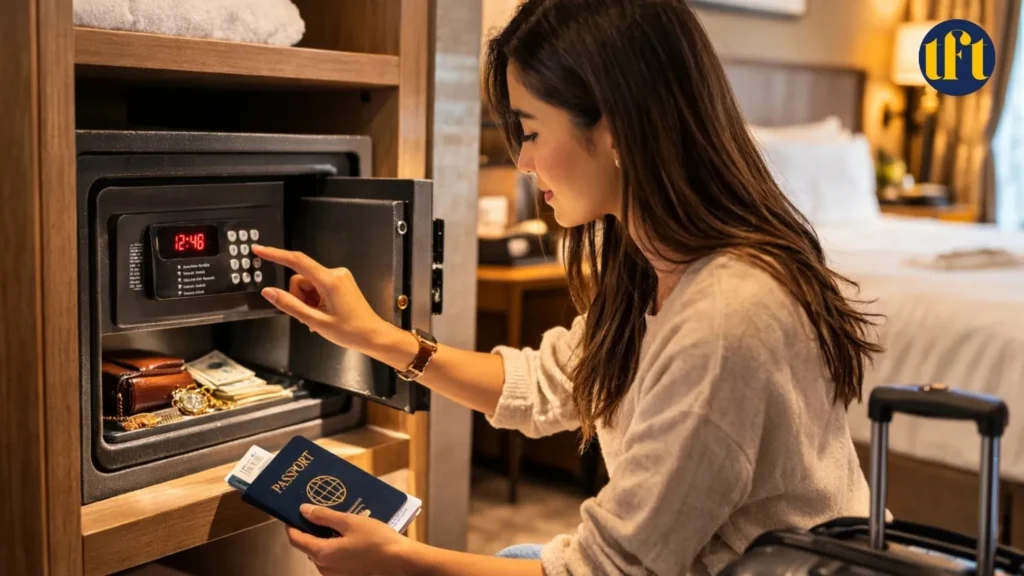
Travelers should use in-room safes to secure passports, electronics, and valuables.
Maintaining awareness of hotel security practices improves travel safety.
Sustainable and Eco-Friendly Hotel Choices
Many travelers now prefer sustainable hotels that minimize environmental impact.
Eco-friendly hotels implement practices such as energy conservation and waste reduction.
Reusing Towels and Linens to Reduce Environmental Impact
Reusing towels and linens reduces water consumption and environmental impact.
Small actions by travelers contribute to sustainable tourism practices.
How Technology and Travel Trends Are Changing Hotel Strategies
Technology continues to transform the hotel industry.
Modern hotels use digital check-in systems, smart room controls, and mobile applications to improve guest experiences.
Artificial intelligence and predictive pricing tools also influence hotel pricing strategies.
Travelers who understand these technological trends can adapt their booking strategies accordingly.
When Hotels Travel Tweaks Matter Most (and When They Don’t)
Hotels travel tweaks are most valuable when booking during peak travel periods or visiting expensive destinations.
However, these strategies may be less critical when booking budget accommodations or traveling during off-peak seasons.
Understanding when to apply these tactics helps travelers maximize their effectiveness.
Frequently Asked Questions (FAQs)
1. What are hotels travel tweaks in simple terms?
Hotels travel tweaks are practical strategies that help travelers book better hotel deals, avoid hidden costs, and improve their overall stay experience.
2. When is the best time to book hotels?
The best time to book hotels typically ranges from one to three weeks before arrival for domestic travel, although international trips may require earlier bookings.
3. Is it better to book directly with hotels or through booking platforms?
Both options can offer advantages. Booking platforms provide price comparisons, while direct hotel bookings sometimes include perks or flexible cancellation policies.
4. Are hotel loyalty programs really worth it?
Yes. Frequent travelers can benefit from free stays, upgrades, and exclusive discounts through hotel loyalty programs.
5. What amenities should travelers look for in hotels?
Travelers should consider amenities such as free breakfast, WiFi, parking, gym facilities, and convenient transportation access.
Conclusion: Mastering the Art of Hotels Travel Tweaks
Smart travelers understand that hotel bookings involve more than simply choosing the cheapest option. By applying practical Hotels Travel Tweaks, travelers can improve comfort, reduce costs, and enhance the overall travel experience.
From researching hotel locations to leveraging loyalty programs and using booking technology, each strategy contributes to smarter travel planning. When combined, these tactics help travelers enjoy better accommodations while staying within their budgets.
With the right approach, every hotel stay can become a more comfortable, efficient, and enjoyable part of the travel journey.