
Every successful business, from global corporations to small startups, relies on a clear marketing strategy to attract customers and drive growth. Yet many companies struggle to organize their marketing efforts effectively. Without a structured framework, it becomes difficult to determine how products should be priced, promoted, or delivered to customers.
This is where the 5 Ps of Marketing become essential. As part of the broader marketing mix, this framework helps businesses design an integrated strategy that aligns product development, pricing, distribution, promotion, and customer interaction. When used correctly, the five Ps provide a practical roadmap for building a competitive advantage and improving customer engagement.
In this complete guide, you will learn what the 5 Ps of marketing are, how each element works, and how to apply them to real marketing strategies. Whether you manage a large organization or a small business, mastering the marketing mix can help you create stronger campaigns, improve customer experience, and drive sustainable growth.
What Are the 5 Ps of Marketing?
Definition of the Marketing Mix
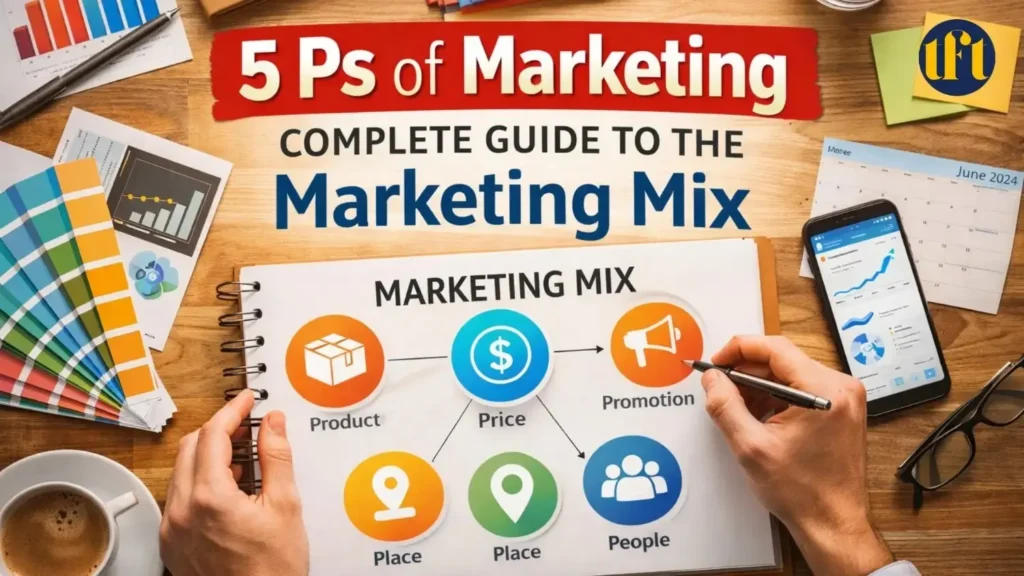
The marketing mix is a strategic framework that businesses use to plan and execute their marketing activities. It combines several key elements that influence how products or services are presented to customers.
Originally, marketing strategy revolved around the 4 Ps of marketing: Product, Price, Place, and Promotion. Over time, experts recognized that customer interactions and service quality were equally important. As a result, the framework expanded to include People, creating the 5 Ps of marketing used widely today.
This model helps organizations balance important marketing decisions such as product development, pricing strategies, distribution channels, and promotional activities. When these elements work together, businesses can create an integrated marketing strategy that aligns with their goals and target audience.
Why the 5 Ps Are Important in Marketing Strategy
The five Ps serve as a foundation for modern strategic marketing planning. Instead of making isolated decisions, companies can evaluate how every part of their marketing strategy connects.
Several benefits make the 5 Ps essential in a business marketing strategy:
- They help define a clear value proposition for customers.
- They guide businesses when building a product positioning strategy.
- They ensure that marketing tactics align with the needs of the target audience.
- They support better marketing plan development and campaign management.
For example, a company selling premium electronics cannot simply design a high-end product. It must also adopt premium pricing, specialized distribution channels, and brand-focused promotional campaigns. The marketing mix ensures that all elements support the same positioning.
The Five Elements of the Marketing Mix
The five Ps of marketing include the following components:
- Product
- Price
- Place
- Promotion
- People
Each element plays a unique role in shaping how a business interacts with customers. The following table provides a simple overview.
| Marketing Mix Element | Main Focus | Key Goal |
| Product | The goods or services offered to customers | Deliver value and solve customer problems |
| Price | How much do customers pay | Balance profitability and competitiveness |
| Place | Distribution and availability | Ensure products reach the right market |
| Promotion | Communication and marketing campaigns | Build awareness and influence purchasing decisions |
| People | Employees, customers, and stakeholders | Deliver positive customer experiences |
Together, these elements form a powerful marketing management framework that supports long-term business success.
Product
What Product Means in the Marketing Mix
In the marketing mix, product refers to the goods or services a company offers to meet customer needs. It includes both physical products and intangible services.
Product strategy involves much more than simply creating an item for sale. Businesses must carefully consider product features, benefits, branding, design, and the overall customer value proposition.
Successful product strategies often focus on:
- Clear product differentiation
- Strong product branding
- Continuous product innovation
- Alignment with market needs
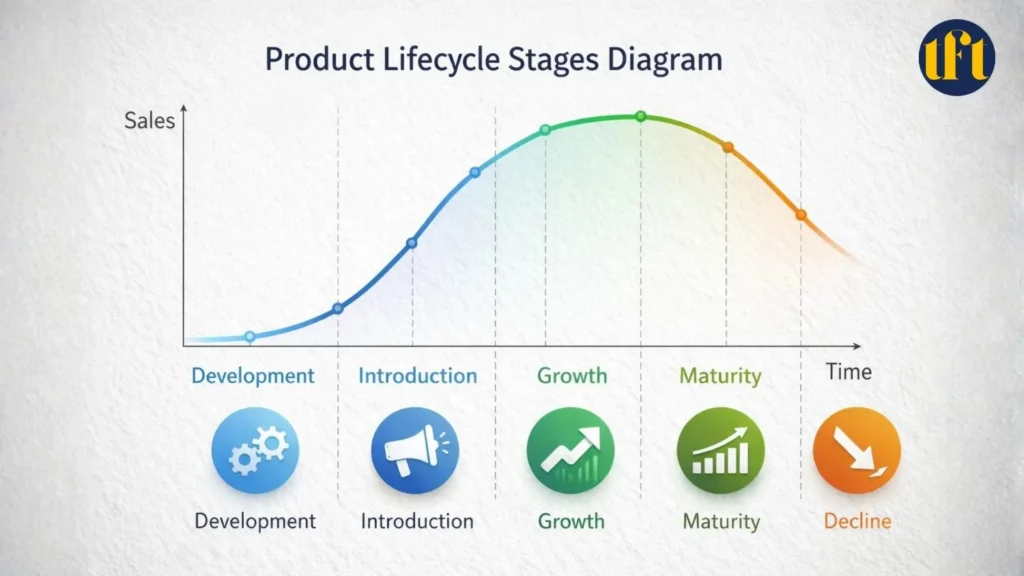
Companies that prioritize product development and product lifecycle management are more likely to stay competitive in rapidly changing markets.
Types of Products
Products can generally be categorized into several types based on how customers use them.
| Product Type | Description | Example |
| Consumer products | Items purchased for personal use | Clothing, smartphones |
| Convenience products | Frequently purchased items | Groceries, toiletries |
| Shopping products | Items requiring comparison | Electronics, appliances |
| Specialty products | Unique or luxury products | Designer fashion |
| Industrial products | Used in business production | Machinery, raw materials |
Understanding product categories helps businesses tailor their marketing strategy framework and promotional efforts to match customer expectations.
Key Factors to Consider When Developing a Product
Creating a successful product requires careful planning. Businesses must consider several important factors during product development.
First, companies need to understand market segmentation and customer needs. Research helps identify what customers truly want and how existing products fall short.
Second, businesses should focus on product features and benefits that differentiate their offering from competitors. Unique design, better performance, or innovative technology can create a competitive advantage.
Third, the product must align with the brand’s overall value proposition and brand positioning. Customers expect consistency between what a company promises and what it delivers.
Example of Product Strategy
Apple provides one of the most recognized examples of product strategy in modern marketing.
The company focuses on innovation in product marketing, premium design, and strong product differentiation. Apple devices emphasize ease of use, seamless integration, and high performance.
Rather than competing primarily on price, Apple builds its strategy around product quality and brand value, reinforcing its premium positioning.
Price
What Pricing Means in the Marketing Mix
The price element of the marketing mix refers to how much customers pay for a product or service. Pricing decisions influence both customer perception and company profitability.
Pricing strategy must reflect the product’s perceived value while remaining competitive in the market. If the price is too high, customers may look elsewhere. If it is too low, the company may struggle to maintain profit margins.
Pricing also affects brand positioning, customer expectations, and long-term business growth.
Factors That Influence Pricing Decisions
Several variables influence how businesses determine pricing.
These include:
- Production and operating costs
- Competitor pricing
- Customer willingness to pay
- Market demand
- Brand positioning
Companies often analyze price elasticity, which measures how sensitive customers are to price changes.
For example, luxury brands experience lower price sensitivity compared with commodity products.
Common Pricing Strategies
Businesses commonly use several pricing models depending on their goals.
| Pricing Strategy | Description | Example |
| Cost-based pricing | Price based on production cost plus margin | Manufacturing |
| Value-based pricing | Price based on perceived value | Luxury brands |
| Competitive pricing | Match or undercut competitors | Retail |
| Penetration pricing | Low initial price to gain market share | Streaming services |
| Premium pricing | Higher price to signal quality | Luxury goods |
Pricing Example
Netflix provides a strong example of strategic pricing.
Instead of offering a single price point, Netflix uses tiered subscription pricing. Customers can choose between different plans depending on video quality and the number of screens.
This approach increases flexibility while supporting a wider customer acquisition strategy.
Place
What Place Means in the Marketing Mix
In marketing, place refers to how products reach customers. It includes distribution channels, logistics management, and retail availability.
Even the best product cannot succeed if customers cannot easily find or purchase it. Businesses must carefully design their distribution strategy to ensure products are accessible.
Distribution decisions affect factors such as shipping speed, retail partnerships, and online availability.
Types of Distribution Channels
Several distribution models are commonly used.
| Distribution Channel | Description |
| Direct-to-consumer | Company sells directly to customers |
| Retail distribution | Products sold through retail stores |
| Wholesale distribution | Products sold to wholesalers who resell |
| Online distribution | E-commerce platforms |
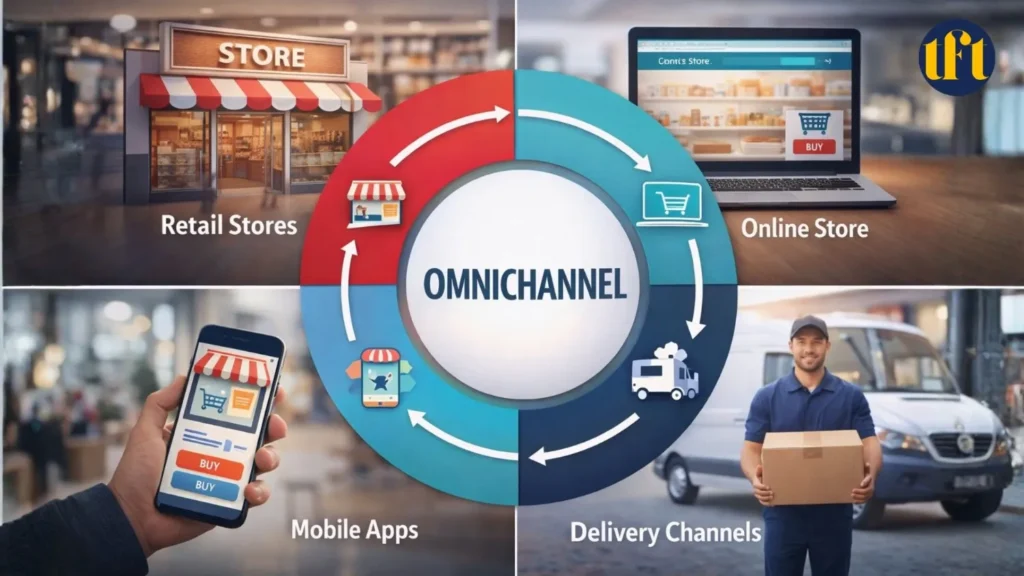
| Omnichannel marketing | Combination of online and offline channels |
Many modern companies use omnichannel marketing to provide consistent customer experiences across multiple platforms.
Choosing the Right Distribution Strategy
Selecting the right distribution strategy depends on the target audience and product type.
Businesses should evaluate:
- Customer buying habits
- Geographic reach
- Logistics costs
- Supply chain efficiency
- Partner relationships
Companies that optimize their supply chain strategy and product availability often achieve stronger market penetration.
Example of Distribution Strategy
Starbucks provides a well-known example of a distribution strategy.
The company combines retail stores, mobile ordering apps, and partnerships with grocery retailers. This multi-channel approach expands accessibility while reinforcing brand presence.
Promotion
What Promotion Means in the Marketing Mix
Promotion refers to the communication strategies used to inform and persuade customers.
The promotional mix includes advertising, content marketing, social media marketing, public relations, and sales promotions.
Effective promotion builds brand awareness, customer engagement, and purchase intent.
Distribution Channels for Promotions
Promotional strategies use various communication platforms.
These channels include traditional media, digital platforms, and direct marketing tools.
Modern marketing increasingly emphasizes digital marketing campaigns and integrated marketing communications.
Common Promotional Channels
Some of the most widely used promotional channels include:
- Social media marketing
- Email marketing
- Content marketing
- Paid advertising
- Public relations campaigns
- Influencer marketing
These channels help brands reach audiences through multiple touchpoints along the customer journey.
Factors to Consider When Choosing Promotional Channels
Choosing the right promotional channels depends on several factors.
Businesses should consider:
- Target audience demographics
- Marketing budget
- Platform engagement levels
- Campaign objectives
Effective promotional strategies also rely on marketing analytics and performance tracking to optimize results.
Example of Promotional Strategy
Nike’s “Just Do It” campaign demonstrates the power of strong promotional messaging.
The brand uses influencer marketing, emotional storytelling, and integrated campaigns across digital and traditional media. This consistent message reinforces brand identity and builds strong emotional connections with customers.
People
What People Means in the Marketing Mix
The people element focuses on the individuals involved in delivering the customer experience.
This includes employees, customer service teams, sales representatives, and brand ambassadors.
People influence how customers perceive a brand and whether they develop long-term loyalty.
The Role of Employees in Customer Experience
Employees are often the face of a company.
Well-trained staff can improve customer satisfaction, service quality management, and brand reputation.
Organizations that invest in employee training in marketing and customer service strategies often achieve stronger customer relationships.
The Importance of Influencers and Brand Advocates
Influencers and brand advocates play an increasingly important role in modern marketing.
Through influencer partnerships and brand ambassador programs, companies can expand reach and build trust with audiences.
Consumers often trust recommendations from real people more than traditional advertisements.
Example of People in Marketing
Tesla offers an interesting example of the people element.
Instead of relying heavily on traditional advertising, Tesla benefits from strong brand advocates and passionate customers who promote the brand organically.
This community-driven approach strengthens brand loyalty and credibility.
How to Use the 5 Ps of Marketing Effectively
Aligning Product with Market Needs
Successful marketing begins with understanding customer needs.
Businesses must conduct market research and analyze consumer behavior to ensure their product strategy aligns with demand.
Customer feedback and product testing play important roles in refining product offerings.
Creating Competitive Pricing Strategies
Pricing strategies should balance profitability and competitiveness.
Companies should regularly review pricing models and adjust based on market trends, demand, and competitor actions.
Dynamic pricing models are increasingly used in industries such as travel and e-commerce.
Expanding Market Reach Through Distribution
A strong distribution network increases product accessibility.
Businesses should evaluate opportunities for retail partnerships, online marketplaces, and direct-to-consumer channels.
Efficient logistics and supply chain management improve delivery speed and customer satisfaction.
Selecting the Right Promotional Channels
Marketing campaigns should reach customers where they spend time.
Brands must choose platforms that align with their target audience and marketing objectives.
Combining multiple channels often produces the best results through integrated marketing communications.
Understanding and Engaging Your Audience
Customer engagement is critical for long-term success.
Businesses should build relationships through personalized communication, community engagement, and excellent service.
Strong engagement strengthens loyalty and improves customer acquisition strategies.
Applying the 5 Ps to Build a Marketing Strategy
Using the Marketing Mix to Develop a Comprehensive Marketing Plan
The 5 Ps provide a practical structure for building a marketing plan.
Businesses can use the framework to evaluate:
- product positioning
- pricing models
- distribution channels
- promotional tactics
- customer engagement strategies
This structured approach helps companies develop clear marketing objectives and measurable campaign goals.
Integrating the 5 Ps Into Business Decision-Making
The marketing mix should guide everyday business decisions.
Companies can use it when launching new products, entering new markets, or refining existing campaigns.
By consistently evaluating the five Ps of marketing, organizations can improve their strategic marketing planning and maintain a strong competitive position.
Conclusion
The 5 Ps of marketing remain one of the most powerful frameworks for building a successful marketing strategy. By carefully balancing product, price, place, promotion, and people, businesses can design integrated strategies that attract customers and strengthen brand loyalty.
Each element of the marketing mix plays a distinct role. Product defines the value offered to customers. Price influences perceived value and profitability. Place ensures accessibility. Promotion communicates the brand message. People deliver the customer experience that builds trust and satisfaction.
When businesses align these five components, they create a cohesive strategy that supports long-term growth. Whether launching a new product or refining an existing campaign, the marketing mix helps organizations make smarter decisions and stay competitive in today’s dynamic marketplace.