
Every day in the United States, millions of people face situations that involve legal rights, contracts, employment rules, housing disputes, or financial obligations. Many of these situations start small but quickly become complicated because people are unsure where to find reliable legal help. Understanding Legal Advice Basics can make the difference between confidently protecting your rights and accidentally making a costly mistake.
The truth is that the American legal system can feel overwhelming. Laws, regulations, and legal procedures affect everything from signing a lease to starting a business or resolving disputes. Learning the fundamentals of legal advice helps individuals recognize when they need professional guidance and how to access trustworthy legal services.
This guide explains how legal advice works, when to seek it, where to find reliable legal help in the United States, and how to prepare for a legal consultation. By understanding these basics, you can approach legal matters with confidence and make informed decisions that protect your interests.
What Is Legal Advice?
Legal advice refers to professional guidance provided by a qualified attorney or licensed legal professional regarding a specific legal issue. This guidance helps individuals understand their rights, responsibilities, and possible legal actions.
In the U.S. legal system, legal advice is not simply general information about the law. Instead, it involves applying legal knowledge to a specific situation to recommend the best course of action.
Defining Legal Advice in Simple Terms
Legal advice is personalized guidance provided by a licensed attorney or legal professional about a particular legal matter. It typically involves analyzing facts, reviewing legal documents, and recommending actions based on the law.
For example, a lawyer may review a contract and explain whether signing it creates legal obligations or potential liabilities. They may also advise a client about their rights after an accident or help determine whether filing a lawsuit is appropriate.
Legal advice often includes:
- Evaluating legal documents or agreements
- Interpreting laws or statutes related to a case
- Recommending legal actions or strategies
- Providing representation in disputes or litigation
Because legal advice directly affects legal rights and responsibilities, it must usually come from a licensed attorney or authorized legal professional.
Common Examples of Legal Advice in Real Life

Legal advice appears in many everyday situations. Many people encounter it without realizing how essential it is.
Common examples include:
- A lawyer explaining your tenant rights when dealing with a landlord dispute
- An attorney reviewing an employment contract before you sign it
- Legal counsel advising a business owner on regulatory compliance
- A lawyer representing someone involved in a lawsuit or legal claim
- Legal guidance about divorce, child custody, or family disputes
These examples show how legal advice provides protection and clarity in complex situations.
Legal Advice vs. Legal Information: Understanding the Key Difference
Many people confuse legal advice with legal information. However, the distinction is critical in the legal system.
Legal information explains general legal principles. Legal advice applies those principles to a specific situation.
Understanding the difference protects both individuals and professionals from legal misunderstandings.
What Is Legal Information?
Legal information refers to general explanations about laws, regulations, and legal processes. It helps people understand how the legal system works, but does not provide personalized guidance.
Examples of legal information include:
- Articles explaining consumer protection law
- Government websites outlining tenant rights
- Educational resources about legal procedures
- Guides explaining how the court system operates
These resources provide helpful basic legal knowledge, but they cannot recommend actions for individual legal issues.
What Is Legal Advice?
Legal advice is personalized guidance tailored to a specific legal matter. It typically involves analyzing facts, documents, or disputes.
For example, a lawyer might review a contract and advise whether it creates legal risks. They may also recommend filing a legal claim or negotiating a settlement.
Because legal advice directly affects a person’s rights and obligations, it must come from a licensed professional.
Why the Distinction Matters Legally
The distinction between legal advice and legal information exists for important reasons.
Providing legal advice without a license may violate regulations in many states. This is known as the unauthorized practice of law.
Additionally, relying solely on general information can lead to misunderstandings. Laws vary by state, and legal outcomes depend heavily on specific circumstances.
A qualified attorney can analyze your situation and provide professional legal counsel tailored to your needs.
Why Learning Legal Advice Basics Matters
Understanding legal advice basics empowers individuals to navigate complex situations more confidently. It helps people avoid mistakes and seek assistance before problems escalate.
Understanding Your Rights and Responsibilities
Legal knowledge helps individuals recognize their legal rights and responsibilities in everyday situations.
For example, employees should understand workplace rights, tenants should understand housing protections, and consumers should know their rights regarding purchases or contracts.
Being aware of these rights allows individuals to make informed decisions and avoid exploitation.
Avoiding Costly Legal Mistakes
Many legal disputes occur because individuals misunderstand contracts, obligations, or regulations.
For example, signing a poorly understood agreement can lead to financial liability or legal disputes. In business situations, failing to comply with regulations can result in penalties or lawsuits.
Seeking legal guidance early helps reduce these risks.
Making Confident Decisions in Legal Situations
Legal matters can feel intimidating. However, understanding the legal process improves confidence when facing disputes, negotiations, or legal documentation.
Whether you are buying property, starting a business, or resolving a dispute, legal advice provides the clarity needed to make sound decisions.
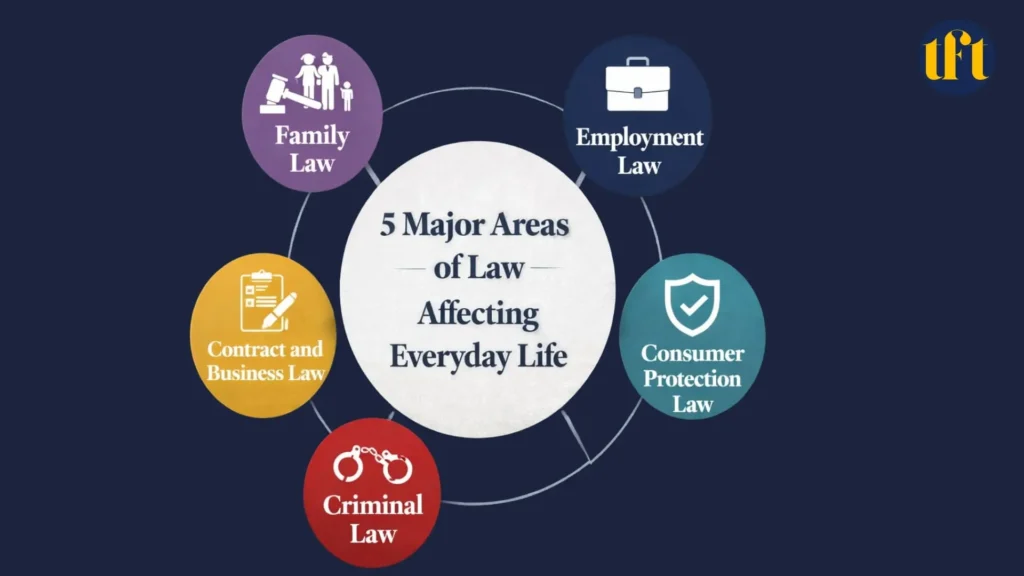
Common Areas of Law That Affect Everyday Life
The law influences many aspects of daily life. Understanding common legal areas helps individuals recognize when professional guidance may be necessary.
Family Law
Family law covers legal matters involving relationships and family responsibilities.
Examples include:
- Divorce and separation
- Child custody disputes
- Adoption
- Child support agreements
Family law matters often involve emotional decisions and complex legal procedures, making professional legal representation especially valuable.
Employment Law
Employment law protects the rights of workers and regulates employer responsibilities.
Key areas include:
- Workplace discrimination
- Wage and hour disputes
- Employment contracts
- Workplace safety regulations
Employees facing workplace disputes often seek employment law advice from an attorney.
Consumer Protection Law
Consumer protection laws protect individuals from fraudulent or unfair business practices.
These laws address issues such as:
- False advertising
- Defective products
- Unfair contract terms
- Data privacy concerns
Understanding these protections helps individuals hold businesses accountable.
Criminal Law
Criminal law addresses actions considered offenses against society.
Examples include:
- Theft
- Assault
- Fraud
- Drug-related offenses
Anyone facing criminal charges should seek legal counsel immediately because criminal cases involve serious legal consequences.
Contract and Business Law
Contracts form the foundation of many legal relationships. Business owners, employees, and consumers frequently encounter contracts.
Legal advice may involve:
- Reviewing agreements
- Negotiating contract terms
- Resolving contract disputes
- Ensuring regulatory compliance
Professional guidance helps prevent misunderstandings and protects legal interests.
Types of Legal Guidance You May Need
Legal guidance varies depending on the situation. Lawyers provide different types of advice based on the nature of a legal matter.
Transactional Legal Advice (Contracts, Agreements, Deals)
Transactional legal advice focuses on reviewing and drafting legal documents such as contracts or agreements.
Examples include:
- Business partnerships
- Real estate transactions
- Employment contracts
- Licensing agreements
Attorneys help ensure these agreements comply with legal standards and protect the client’s interests.
Preventive Legal Advice (Avoiding Legal Problems)
Preventive legal advice aims to reduce the risk of disputes before they occur.
For example:
- Businesses may seek legal compliance advice regarding regulations.
- Individuals may consult a lawyer before signing financial agreements.
- Property owners may verify legal documentation before selling assets.
This proactive approach often saves time and money.
Litigation Advice (Handling Disputes and Court Cases)
Litigation advice involves resolving disputes through negotiation, mediation, arbitration, or court proceedings.
This may include:
- Filing lawsuits
- Responding to legal claims
- Representing clients in court
- Negotiating settlements
Legal representation during disputes helps ensure that a person’s rights are properly defended.
When Should You Seek Legal Advice?
Many people delay seeking legal help until a problem becomes serious. However, early legal consultation often leads to better outcomes.
Situations That Typically Require Legal Advice
You should consider seeking legal advice in situations such as:
- Signing major contracts
- Facing criminal charges
- Starting or selling a business
- Handling divorce or custody disputes
- Resolving landlord or tenant conflicts
In these cases, professional legal assistance can prevent complications.
Early Legal Advice vs. Waiting Until a Problem Escalates
Seeking legal guidance early can significantly reduce risks.
Consider the following comparison:
| Situation | Early Legal Advice | Delayed Legal Advice |
| Contract review | Prevents unfair terms | May lead to disputes |
| Employment issue | Protects worker rights | Risk of job termination |
| Business setup | Ensures legal compliance | Possible regulatory penalties |
| Dispute resolution | Encourages settlement | Potential lawsuits |
Early consultation often reduces legal costs and prevents lengthy litigation.
Who Can Legally Provide Legal Advice?
Not everyone is authorized to provide legal advice in the United States.
Legal advice must generally come from qualified professionals who meet specific licensing requirements.
Licensed Attorneys
Licensed attorneys are the primary providers of legal advice.
To practice law, attorneys must:
- Graduated from an accredited law school
- Pass the state bar exam
- Maintain professional licensing standards
These professionals provide legal representation and guidance in courts and negotiations.
Legal Aid Lawyers
Legal aid lawyers provide free or low-cost legal services to individuals with limited financial resources.
Organizations offering legal aid often assist with:
- Housing disputes
- Domestic violence cases
- Immigration issues
- Consumer protection matters
Independent Legal Advice (ILA) Providers
Independent Legal Advice, often called ILA, refers to legal guidance provided by an attorney who is independent from the parties involved in a transaction.
ILA is sometimes required for financial agreements or settlement arrangements to ensure that each party understands the legal implications.
Can Non-Lawyers Provide Legal Advice?
In most cases, non-lawyers cannot legally provide professional legal advice.
They may share general legal information, but cannot recommend legal strategies or interpret laws for specific cases.
Doing so may constitute unauthorized legal practice.
Will You Get in Trouble for Giving Legal Advice Without a License?
Providing legal advice without proper licensing can violate state laws.
Each state regulates the practice of law to protect the public from inaccurate or misleading legal guidance.
Non-lawyers who attempt to give legal advice may face legal penalties. This is why individuals should rely on qualified professionals when dealing with legal issues.
How to Find Legal Advice in the United States
Finding reliable legal help is easier today than ever before. Several resources exist for individuals seeking professional legal guidance.
Hiring a Private Attorney
Hiring a private attorney is often the most direct way to obtain personalized legal advice.
Many lawyers specialize in specific areas such as family law, criminal law, or business law.
To find attorneys, individuals may search through state bar associations or professional legal directories.
Free Legal Aid Organizations
Legal aid organizations provide free legal assistance to low-income individuals.
These organizations typically focus on essential legal needs such as housing, family law, and employment disputes.
Pro Bono Legal Services
Pro bono services involve lawyers volunteering their time to assist individuals who cannot afford legal representation.
Many law firms and nonprofit organizations provide pro bono assistance for qualifying clients.
Low-Cost Legal Clinics and Community Resources
Legal clinics often offer affordable consultations or legal advice basics.
These clinics are commonly hosted by law schools, nonprofit organizations, or community centers.
Should You Get Legal Advice from Reddit or Social Media?
Online forums and social media platforms sometimes contain discussions about legal issues.
While these conversations may provide general insights, they should never replace professional legal advice.
Information shared on forums may be incomplete or incorrect. Laws also vary by jurisdiction, meaning advice from another state may not apply to your situation.
Always verify legal guidance with a licensed attorney.
How to Prepare for a Lawyer Consultation
Preparing for a legal consultation improves the efficiency of the meeting and helps the lawyer provide better advice.
Documents and Information to Bring
Bring relevant documents related to your legal issue.
These may include:
- Contracts or agreements
- Correspondence or emails
- Financial records
- Legal notices or court documents
Providing complete information allows the attorney to analyze the situation accurately.
Questions You Should Ask a Lawyer
Clients should ask questions to fully understand their legal options.
Helpful questions include:
- What legal options are available in my situation?
- What risks should I be aware of?
- What are the potential costs of this case?
- How long might the legal process take?
How to Help Your Lawyer Give Reliable Advice
Honesty and transparency are essential.
Provide complete and accurate information, even if some details may seem unfavorable. Lawyers rely on full information to provide reliable legal counsel.
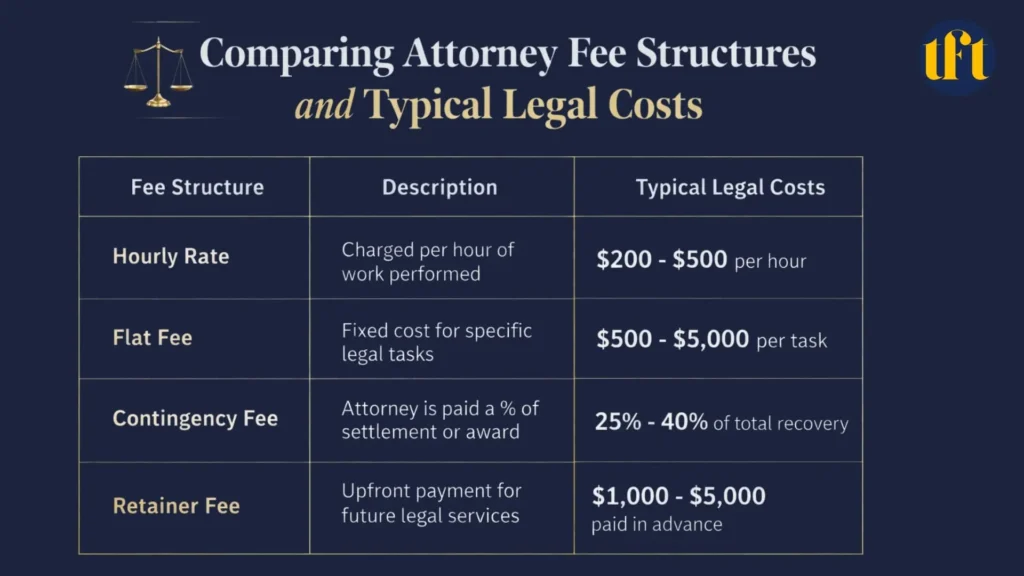
Understanding Attorney Fees and Legal Costs
Legal services involve various fee structures. Understanding these structures helps individuals budget for legal representation.
Hourly Fees
Many attorneys charge an hourly rate for legal services.
The cost depends on the lawyer’s experience, specialization, and location.
Flat Fees
Some legal services involve a fixed price.
Flat fees are common for routine legal tasks such as drafting contracts or preparing wills.
Contingency Fees
In contingency arrangements, the lawyer receives a percentage of any settlement or financial award.
This structure is often used in personal injury cases.
How to Choose a Reliable and Ethical Lawyer
Selecting the right attorney is crucial when dealing with legal matters.
Checking Credentials and Licensing
Verify that the lawyer is licensed through the appropriate state bar association.
This ensures they meet professional standards and ethical guidelines.
Evaluating Experience and Specialization
Different lawyers specialize in different legal areas.
Choose an attorney with experience handling cases similar to yours.
Signs of an Ethical Legal Professional
An ethical lawyer should:
- Communicate clearly
- Provide transparent fee structures
- Respect client confidentiality
- Follow professional conduct rules
These qualities indicate professionalism and reliability.
Building Confidence When Handling Legal Matters
Understanding legal advice basics allows individuals to approach legal challenges with greater confidence.
Knowledge reduces uncertainty and helps people make informed decisions about contracts, disputes, and legal responsibilities.
Working with qualified professionals ensures that legal matters are handled effectively and responsibly.
Common Legal Terms Explained in Plain English
Many legal terms sound complicated, but have straightforward meanings.
Examples include:
| Term | Meaning |
| Litigation | The process of resolving disputes in court |
| Settlement | Agreement reached outside the court |
| Arbitration | Private dispute resolution outside court |
| Contract | Legally binding agreement |
| Liability | Legal responsibility for damages |
Understanding these terms improves communication with legal professionals.
Frequently Asked Questions About Legal Advice Basics
1. Can I get free legal advice online?
Yes. Some nonprofit organizations and legal aid services provide free legal guidance online. However, personalized advice usually requires consultation with a licensed attorney.
2. How can I tell if a lawyer is legitimate?
You can verify a lawyer’s credentials through your state bar association. Most bar associations maintain public databases listing licensed attorneys.
3. Is online legal advice reliable?
Online legal advice can be helpful for general information. However, it should not replace professional consultation because legal issues depend on specific facts and jurisdiction.
Legal Disclaimer
This article provides general educational information about Legal Advice Basics. It does not constitute legal advice and should not replace consultation with a licensed attorney. Laws and regulations vary by jurisdiction, and legal outcomes depend on individual circumstances. Always seek professional legal counsel for specific legal issues.